Over 930,000 visitors came through a single roadside museum off I-40 at Exit 65 in Clinton in its first 25 years, according to the Oklahoma Historical Society, and that is the kind of travel demand that fills a hotel in a town most people only drive through. Oklahoma hospitality is built on corridors, military and university calendars, tribal destinations and convention business, and each of those needs a building that opens on a fixed date and runs hard from the first night.
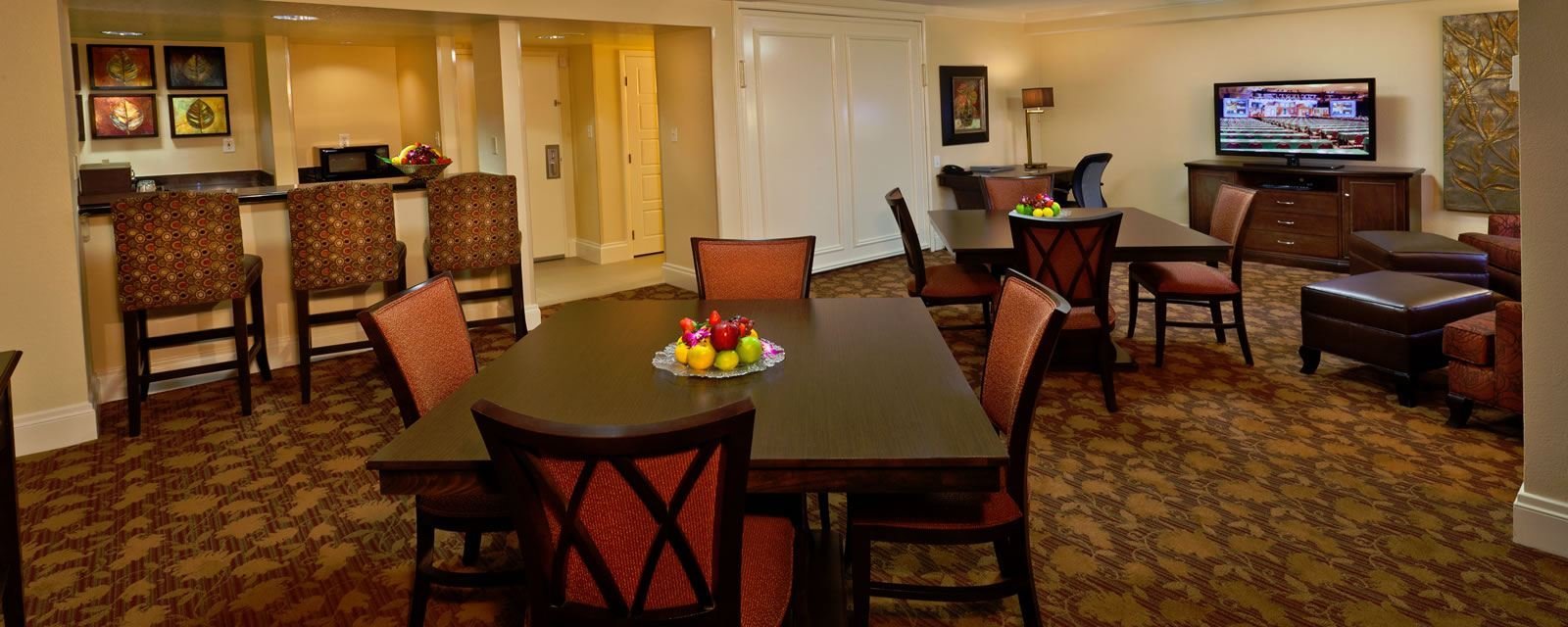
We build hotels as general contractor for owners, franchisees and management groups: select-service and extended-stay properties along the interstates, full-service hotels with meeting space, and resort-style projects with restaurants and event rooms. The brand sets the program, the owner sets the budget, and our job is to build a property that passes the franchise inspection, opens on schedule and stays maintainable for the owner who has to run it for the next twenty years.
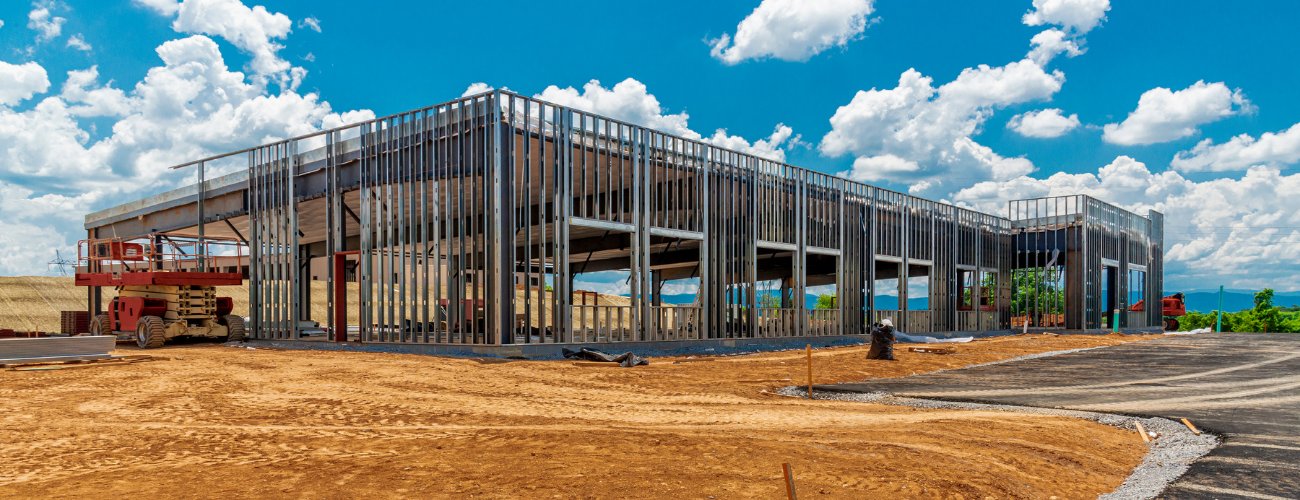
A select-service hotel on an interstate exit is a repeatable building, usually three or four stories of wood or light-gauge framing on a slab with a lobby, breakfast room, small meeting space and a pool. Its economics depend on repetition, so speed and cost control matter more than architecture. Extended-stay properties have kitchens in every room, which means more plumbing and electrical rough-in per key and a heavier mechanical load.
Full-service and convention hotels are a different job. The Reed Center in Midwest City is a 60,000-square-foot convention center that was built in 2003 beside the Town Center Plaza shopping area, which faces both I-40 and Tinker Air Force Base, and it shows how meeting space, lodging and retail cluster in one place. Buildings like that need long-span structure, kitchens, back-of-house circulation and acoustic separation. We describe the broader category on our page for hospitality hotels and for Midwest City work.
Hotel schedules are built around three milestones: dried-in, rooms complete and franchise inspection. The owner is paying interest on the loan from the first day and revenue starts only on opening, so we plan every weekly look-ahead around the longest chain of dependent tasks, which in hotels is usually elevators, fire alarm and sprinkler acceptance, and the final life-safety inspection.
Typical room work moves in a repeating pattern: rough-in, drywall, finishes, millwork, then furniture and fixtures, and we run it floor by floor so the owner can see a finished floor early. That also lets the brand rep review a model room against the standards before we repeat it a hundred times. Where the same owner builds several properties, our programmatic multi-site rollout practice carries lessons from one hotel to the next.
Interstate exits remain the default hotel location, and Oklahoma has three interstates, I-35, I-40 and I-44, crossing the state. Tribal destinations create a second pattern: in 2018, KTUL reported that the Cherokee Nation announced a new casino at Cherokee Springs Plaza near Nancy Ward Drive in Tahlequah, replacing an older casino a couple of miles away and including a convention center in the project. That was a government-owned destination and it generated hotel and event demand in a city with few comparable facilities.
Projects for tribal governments can follow their own approval and inspection routes, and we learn those at the start. In towns like Tahlequah and Clinton, an owner should expect a smaller bench of local trades and plan to bring some crews in, which is part of the budget picture we describe below.
Cost per key depends on brand tier, structure type and amenities. The big levers are the structural system, the size of the lobby and meeting space, the number of rooms, and the finish tier in corridors and baths. Mechanical choices, such as through-wall units versus central systems, also move the number, as do the pool, the kitchen and any exterior features.
Furniture, fixtures and equipment typically sit in a separate budget with its own procurement, and we coordinate long-lead procurement so that the beds, casegoods and televisions arrive when the rooms are ready for them, not three weeks later. We also give owners an honest read on which options will save money without risking a failed brand inspection.
Not every hotel project is ground-up. A property improvement plan on an existing hotel may involve renovating rooms, replacing roofs, updating life-safety systems and refreshing a lobby, often while the hotel stays open. The trade partners for renovation and adaptive reuse work floor by floor, closing rooms in blocks and keeping noise, dust and deliveries away from guests.
Restaurants and bars inside hotels bring their own permit track, with health department reviews and grease handling, and our restaurant construction team coordinates with the hotel team. Owners managing portfolios should also read about our work with hospitality groups to see how we organize multi-property programs.
Send us the brand, the site and the opening date. We will return a code review, a budget range per key and a schedule that shows where the risk sits. Use the contact form and we will set up a call with the team that would build it.
FAQ
Send the property, the building type and the schedule. We review the scope, the approvals and the trade packages and explain how the project would be sequenced.