
Fifty-three stores sat under one roof in Stroud until the 1999 tornado outbreak destroyed the outlet center, along with a foodservice distribution center, and neither was rebuilt. About 800 jobs went with them. A retail chain looking at Oklahoma sites should read that sentence as a lesson in exposure: stores are built on traffic and visibility, those same sites are often on open plains, and a store that cannot reopen quickly loses its trade area to a competitor.
Retail chains buy construction differently from one-off owners. They have a prototype, a rollout calendar, a real estate committee that wants a site-by-site budget, and a store operations group that cares about the day the registers open. We build for regional and national chains, shopping center owners and franchise groups across Oklahoma. Our job is to take their prototype and make it work on dirt that is rarely identical from one site to the next.
The Oklahoma market has plenty of variety, from freeway-interchange pads in the metro to Route 66 and county-seat main streets in smaller towns. A chain that opens ten stores in a year will see most of those conditions, and we plan for them rather than reacting to each as a surprise.
A typical ground-up store project involves site grading, utilities, a building shell, interior finish and a long list of owner-supplied equipment and fixtures. The gray area is where the chain's responsibilities end and the contractor's begin: fixtures, refrigeration, signage, security systems and technology often arrive on separate purchase orders and need dock-to-door coordination. We define those interfaces in the first conversation and put them on the schedule, since a missing fixture on opening week costs more than any contractor delay.
Smaller programs involve reworking existing space. A conversion of a vacant box needs a hard look at structure, roof condition, fire protection and accessibility, and our retail shopping center construction experience covers both new shells and existing centers. For interior-only work, tenant improvements follow a different schedule, usually shorter and more controlled by landlord requirements. Restaurants and drive-through concepts add grease interceptors, hood systems, queue planning and health department review, and we treat them as their own category.
A chain with several stores in a year usually has one date that matters: the grand opening. Training schedules, marketing spend, inventory delivery and seasonal peaks follow from it. We work backward from the opening, schedule fixture delivery with the operations team and carry float around inspections, since a failed fire alarm test can push a store a week. Our programmatic multi-site rollouts approach assigns a consistent project manager and superintendent method to the whole program so that site five benefits from what we learned on site one.
Roads decide more retail schedules than most people expect. The Moore Southwest 34th Street bridge over I-35 took from August 2018 to November 21, 2019 to build, a stretch of more than a year in which access to nearby properties changed repeatedly. In the northwest metro, the John Kilpatrick Turnpike meets I-40 at a full interchange just east of Yukon, an extension that was completed in 2001. Where the ramps open and the lanes close changes who sees the store and when. We check ODOT and turnpike schedules during site selection support, not after the foundation is poured.
Stores succeed when the area around them has jobs, homes and institutions that bring people daily. A grocery or pharmacy pad might be next to a hospital campus, so we pay attention to the work we do for healthcare systems, since medical districts bring traffic and long-term stability to adjacent retail. A center near a university or base grows with enrollment and mission changes, which is why our education work informs how we think about student and staff demand. Destination retail depends on tourism and events, which is where hospitality groups overlap with our retail customers.
Oklahoma City's John Kilpatrick Turnpike runs 31.0 miles entirely inside city limits, with its southern extension to SH-152 opening in stages in 2020. Corridors like that turn farmland into retail demand, and chains that arrive early often win the best corners. The construction challenge is that the infrastructure is often still being finished when the store is being built.
We start every retail project with the chain's prototype package: plans, specifications, approved vendors and the construction manual. Our first step is to compare it with the site, looking for places where grades, utilities, drainage, local code or fire access force a change. We then deliver a site adaptation list with costs. The chain's design team can accept the changes, redesign, or walk away before the cost becomes a sunk expense.
During construction, we follow a one-page weekly report that matches the real estate committee's budget categories. Change orders are priced against the original categories, so the committee can see where a site is drifting relative to the program. At closeout we deliver the punch list, warranty documents, test reports and keys together, because the store opening team is already waiting for them.
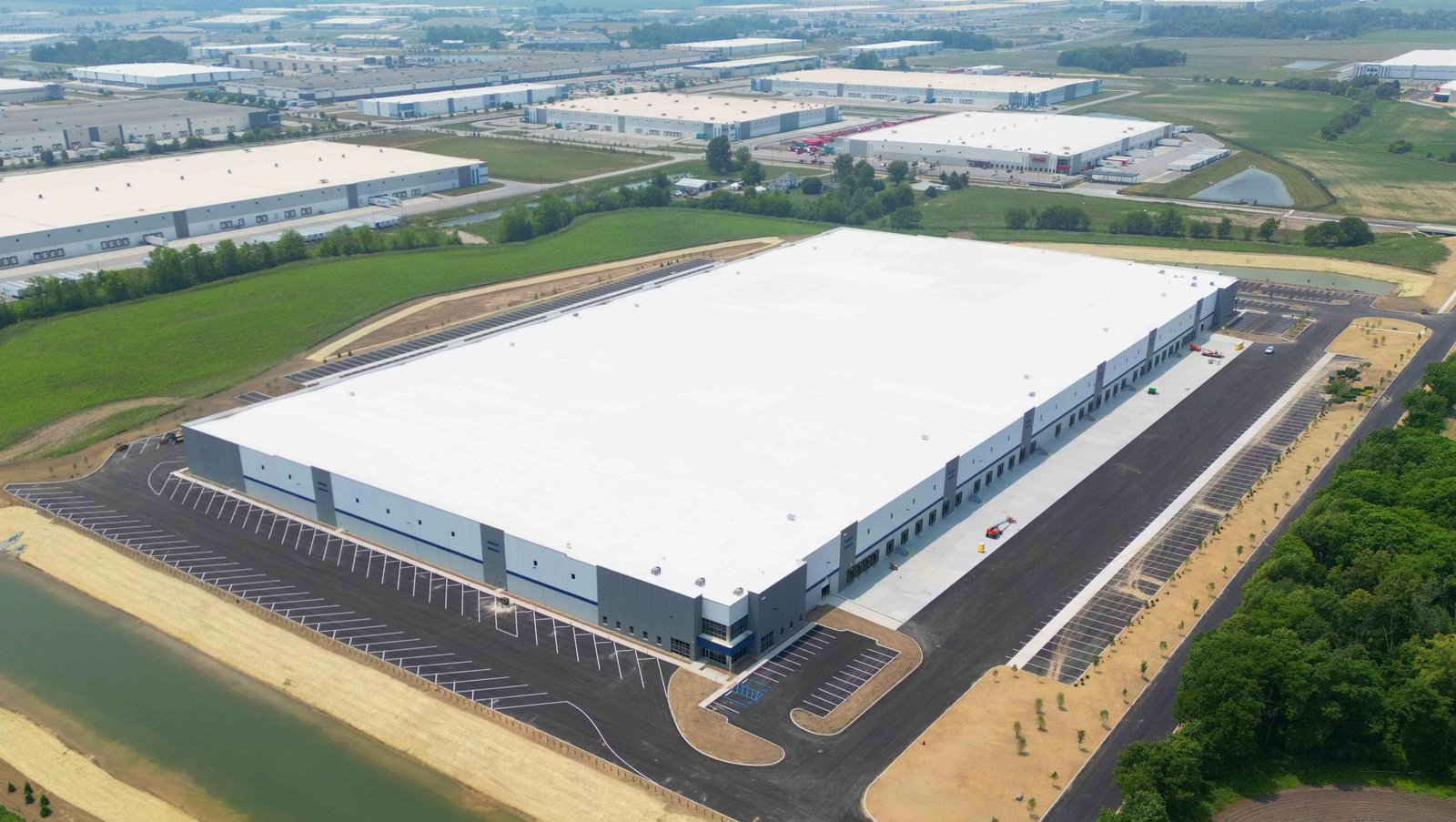
Weather is the first. A store roof and storefront must survive wind and hail, and an extended closure after a storm can be financially severe. We discuss roof system choices, rooftop unit curbs and storefront glazing with the chain's risk manager during preconstruction. Second, the lease: build-out allowances, landlord approvals and delivery conditions can determine who pays for what, and we read them with the chain's real estate counsel so there are no gaps. Third, the supply chain: roof top units, refrigeration and electrical gear can take months to arrive, and we place orders early. If your next growth step involves a large distribution site for the stores, our logistics and distribution work covers that side.
Share the prototype package and the sites you are considering. We will return a site adaptation list, a budget range and an opening-date schedule for each location.
FAQ
Send the property, the building type and the schedule. We review the scope, the approvals and the trade packages and explain how the project would be sequenced.