
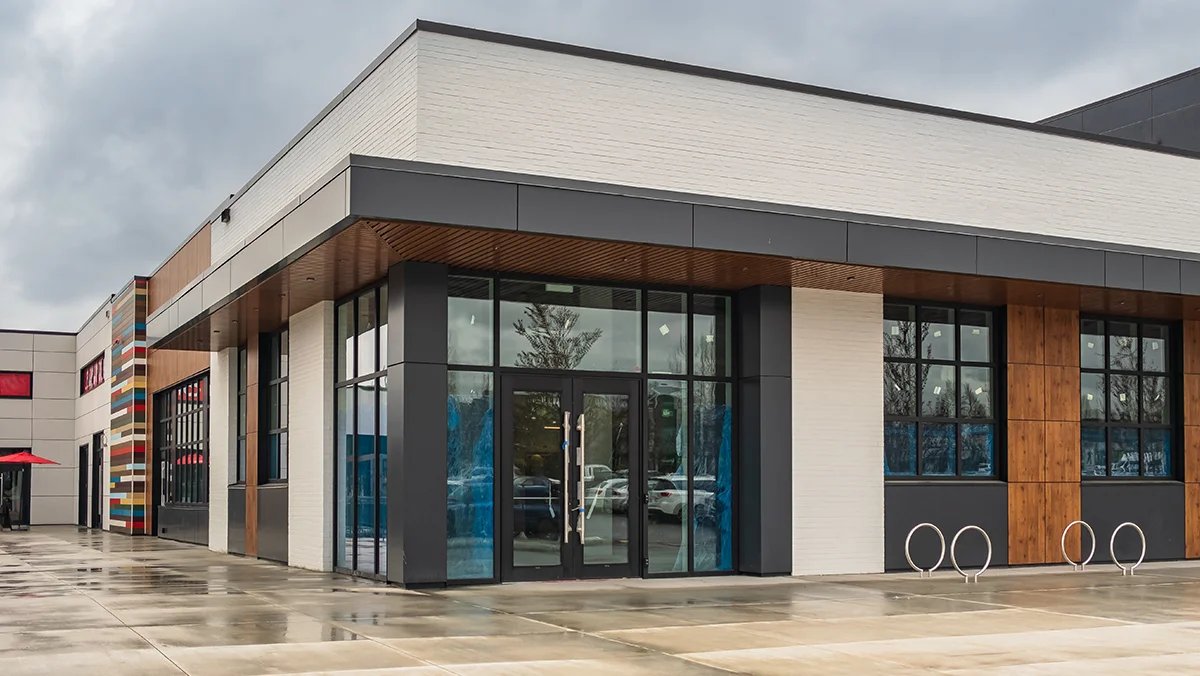
Repeating a prototype across Oklahoma sounds like it should get cheaper with every copy. Sometimes it does. More often, the third site has a different soil, the fifth sits in a city with its own plan review rules and the eighth is two hundred miles from the nearest supplier. A rollout program only works when someone treats the repetition and the differences as equally important.
We manage programs that build or renovate the same facility type in many places: retail and restaurant prototypes, clinic and branch buildings, storage facilities, tribal or municipal service buildings and corporate upgrade programs. Our role is to keep the quality, cost and schedule steady while the sites change, and to give the owner a single point of accountability instead of a dozen local contractors.
The value is in the system, not the sites. A good program has a standard scope, a standard subcontractor bench, a standard closeout and an honest way to handle the exceptions.
Oklahoma is large and varied. The state commerce department counts over 12,000 miles of highway, three interstates, 131 public use airports and two international hubs, which hints at how spread out the work can be. A program might include a site on the I-35 corridor, another beside a turnpike, a third on a state highway in the northeast and a fourth in a small western town.
We assign a program manager who owns the schedule and the relationship with the owner, and we place superintendents by region so crews are close to the work. For sites in places like Durant, Shawnee or Guymon, that regional knowledge means we already know the inspectors, the suppliers and the haul distances.
We begin by studying the prototype. We review the drawings, the specifications and the owner's standards for constructability, identify where local conditions will change the design and agree on a list of site-specific allowances. The first site becomes a pilot that tests the schedule, the cost model and the details, and we revise the standard package before the others start.
We also build a bench of subcontractors and suppliers for the program. Pricing is negotiated up front for repeat work, standard submittals are approved once and standard installation details are agreed. That saves the owner money and time, and it reduces the odds that the quality at site nine is lower than at site one. The same method supports owners who choose design-build delivery, where the prototype is refined with the builder from the start.
Soil and drainage change first. A pad that needs minimal prep at one site may need undercut, stone and extra drainage at another. Utilities vary next: one site has a nearby water line and sewer, another needs a longer extension or a private system. Jurisdictions differ in codes, review timing and fees, and each site needs its own permit strategy.
Tribal land and special districts add another layer. The Choctaw Nation of Oklahoma lists its address in Durant and describes over 225,000 tribal members and more than 12,000 associates, and the Citizen Potawatomi Nation and the City of Shawnee signed the Shawnee Aligned agreement in 2021 to pool resources for public facilities, fire and police protection and economic development. Programs for tribal or joint owners often cross jurisdictions, and we confirm early which office holds each approval.
A rollout schedule is a portfolio schedule. We stage the sites in waves, group them by region and sort them by permit readiness so crews can move from one to the next without waiting. If a site is delayed by a permit or a utility, the program manager reassigns resources to the next one, so the whole schedule does not slip.
We track every site on a single dashboard that shows permit status, procurement, construction progress and turnover dates. The owner sees the same information we do, and a weekly call reviews risks and decisions. Where an owner has opening dates tied to marketing or staffing, we protect those dates by watching the critical path closely.
The most common program owners are retail chains, restaurant brands, banks, health clinics, convenience operators and government agencies. They share a need for consistency: the same layout, the same finishes, the same signage and the same opening process at every site. We support them through tenant build-outs, ground-up pads and remodels.
Programs also appear in public work, such as school bond projects with several buildings or municipal service centers for a growing city. The trade partners for tenant improvement and restaurant construction already work with repeated layouts, so a program is a natural extension of what they do.
Savings come from repeated pricing, standard details, bulk purchasing and a team that learns as it goes. They do not come from ignoring what is different. A prototype that is rigid in places where the site needs flexibility just moves cost into change orders. We build a budget that includes a baseline cost and a range for site-specific items, and we report variances after each site.
We recommend that owners ask for a program-level cost summary and a site-level breakdown, with line items for earthwork, utilities, paving, permits and the building itself. That helps spot where costs run high and what can be changed in the prototype. It is also useful for owners who pass costs to franchisees, tenants or agencies, since they can explain each number.
We coordinate a mix of traveling trade partners for specialized work and local trade partners for site-specific tasks. Concrete, framing and finish crews that know the prototype can move from site to site, while earthwork and utilities are often built by local partners who know the soil and the inspectors. That mix gives the owner repeatable quality and local responsiveness.
Our self-storage construction work is a good example of a repeatable program with regional variation, and the same approach applies to any standardized building. We keep a short list of lessons learned from each site and apply them to the next, which is how programs improve instead of simply repeating.
Share the prototype, the list of sites and your target dates. We will return a program plan covering pilot, waves, staffing and cost reporting.
FAQ
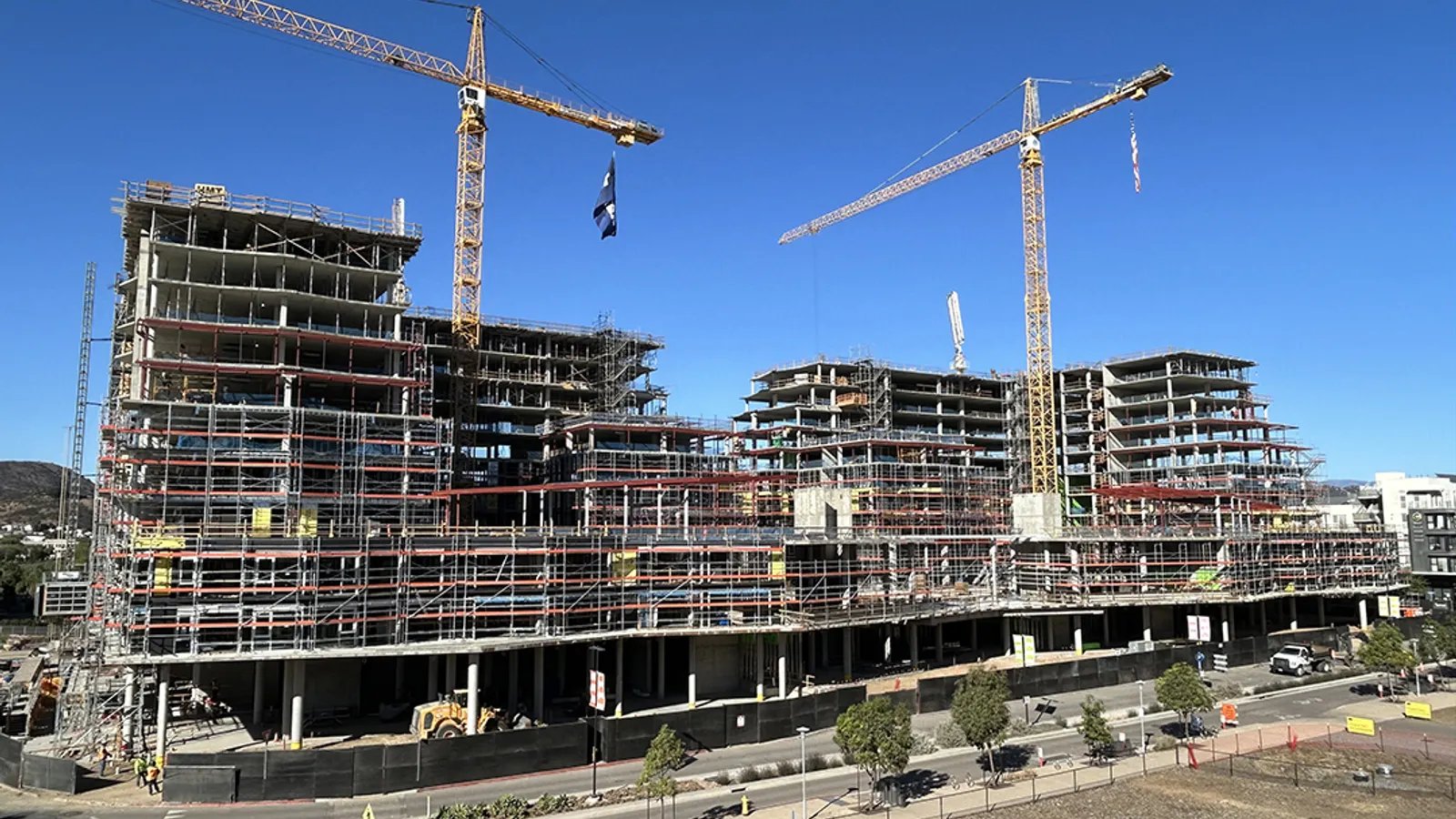
Send the property, the building type and the schedule. We review the scope, the approvals and the trade packages and explain how the project would be sequenced.