
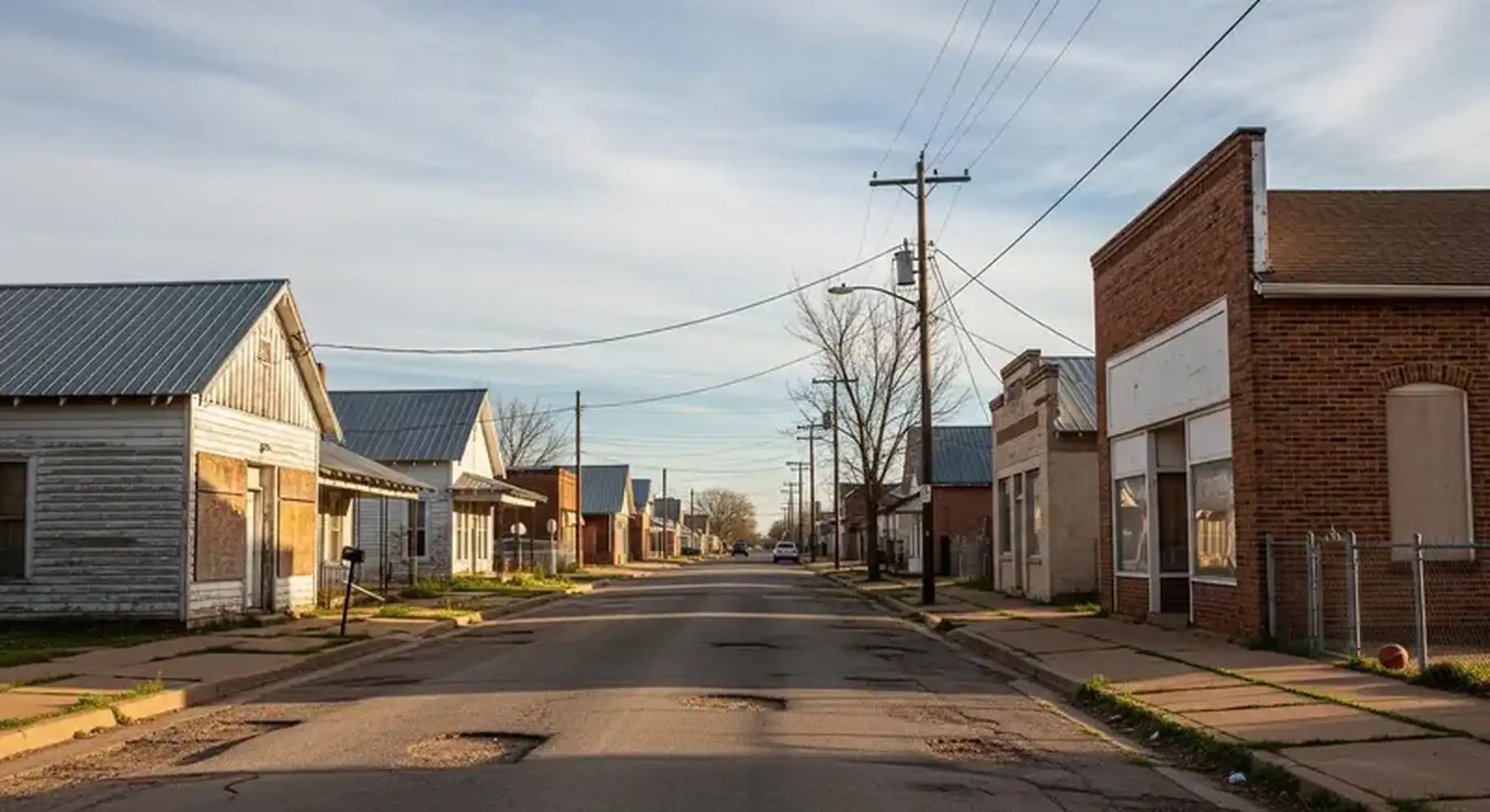
Food processing buildings in Guymon succeed or fail on sanitary design, washdown-ready floors and a water supply that can be counted on, and those are the points where we begin with a processing owner. We build and expand plant support space, cold and dry storage, employee areas, offices, schools and commercial buildings in the Oklahoma Panhandle, with a plain account of what each choice adds to cost.
A May 15, 2024 Southwest Ledger report says more than 21,500 animals are processed daily at the Seaboard Foods Guymon pork plant, which covers about one million square feet. The same report says more than 2,400 people work at the plant (2022 figures) and that Seaboard is the largest employer in the county. We cite these numbers as local context and make no claim of work for Seaboard. They show that a single employer can shape the whole building market: housing, clinics, child care, retail, schools and roads all follow the workforce.
We approach Guymon as a market where public infrastructure, private industry and a limited water supply interact. A builder who ignores any one of the three makes costly mistakes.
KGOU reported on July 30, 2024 that the Ogallala Aquifer is Guymon's water source and its levels have been dropping, and that on one day the city pumped 5.4 million gallons, about 92% of its pumping capacity. Investigate Midwest reported on June 6, 2024 that water levels in the Oklahoma panhandle's Ogallala Aquifer have dropped 23% since Seaboard Foods opened its Guymon pork processing plant in 1995. KOSU reported on September 3, 2025 that Guymon leased rights to 640 acres of water for its Mesa Water Project through 2080, with first water expected in October 2026.
A builder takes three lessons from those reports. First, confirm water and sewer capacity in writing before a design is final. Second, specify low-flow fixtures, recirculating washdown systems and efficient process equipment where possible. Third, plan for connection dates that may move. We ask the city for current availability letters and treat any new supply as unproven until it is delivered. Our site development and utilities and stormwater and drainage pages describe how we handle utility questions and runoff.
A processing building has requirements that a warehouse does not. Floors slope to drains, joints are sealed, walls resist moisture and cleaning chemicals, and ceilings are smooth and washable. Air flows from clean to less clean areas, and door and curtain layouts keep pests out. We build these features into the slab and panel details at the start, and we protect finishes during construction so they are not damaged before the owner takes the building.
Plants also need support buildings: locker rooms, break areas, training rooms, maintenance shops and offices. Large employers in a smaller city usually need parking for hundreds of vehicles, and shift changes can overload access roads. Our food and beverage processing page and our cold storage facility page discuss these layers.
KGOU reported on July 30, 2024 that a $50 million federal grant will go to Guymon Public Schools for a workforce development center and a new junior high school. A project at that scale for a school district typically covers classrooms, labs, shop spaces, a commons, safe rooms and site work, and the funding may carry rules about procurement, labor and reporting.
We help school leaders turn a grant into a buildable program. That begins with a space list, a site plan and a cost model, then an agreed delivery method, which might be construction-manager-at-risk or design-bid-build. Our construction manager at risk page and education institutions page explain the options. We make no claim to be involved in the district's project.
Guymon is far from many suppliers, so freight and labor travel costs are real. Steel, cold-storage panels, electrical gear and specialty doors may come from distant plants, and we ask for delivered pricing. Subcontractors may need lodging, which should be included in bids. In remote markets the lesson is the same: the cheapest bid is not the one that leaves out lodging, freight and standby time. We find that owners who see these items early make better decisions about scope, such as using local materials for fill and concrete where possible.
Wikipedia lists US-54, US-64, US-412, SH-3, and SH-136 as serving Guymon, and states that rail freight service is available from the Union Pacific Railroad. Those routes help with deliveries, and rail can serve bulk materials or products for the right user. We examine rail access, as with Woodward to the southeast and Elk City farther south, before committing to a rail-served design.
In a smaller city, the building official, fire marshal and utility staff are few and know the town. That is an advantage if we come prepared. We submit complete plans, answer questions quickly and agree on inspection times. We also keep neighbors informed about hauling, noise and street closures. When a project is large enough to change traffic on a main route, we meet with the street department before mobilizing and agree on haul routes, flagger positions and the hours when heavy trucks can move, so a plant shift change or a school bus run is never blocked by a delivery.
We also bring a steady crew for the long term. Panhandle projects benefit from continuity because local knowledge, such as how deliveries arrive and where weather can strike, builds over time. For a larger program, our combined design and construction service and our manufacturing experience support owners who want one team from concept to occupancy.
Tell us the use, the lot and the date. We will return a budget and sequence that account for water, freight and workforce. If your project is part of a larger program, we can phase the work across several buildings.
FAQ
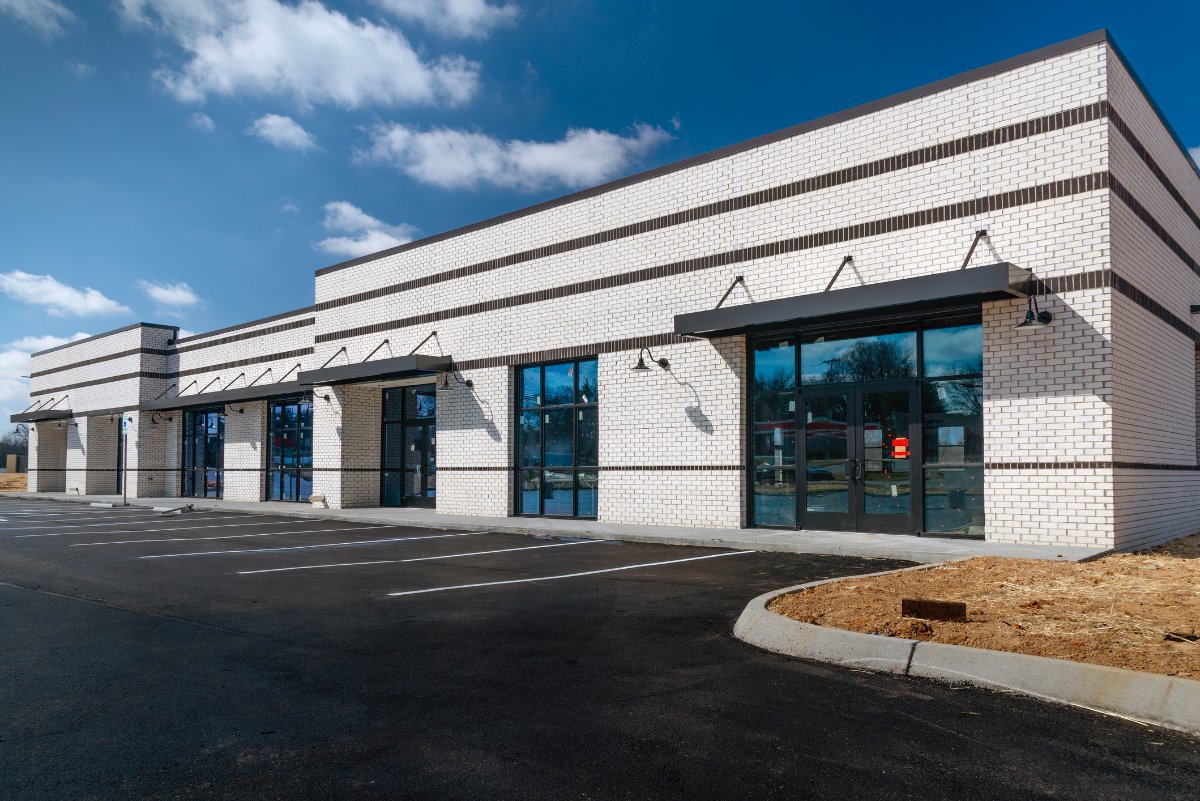
Send the property, the building type and the schedule. We review the scope, the approvals and the trade packages and explain how the project would be sequenced.