
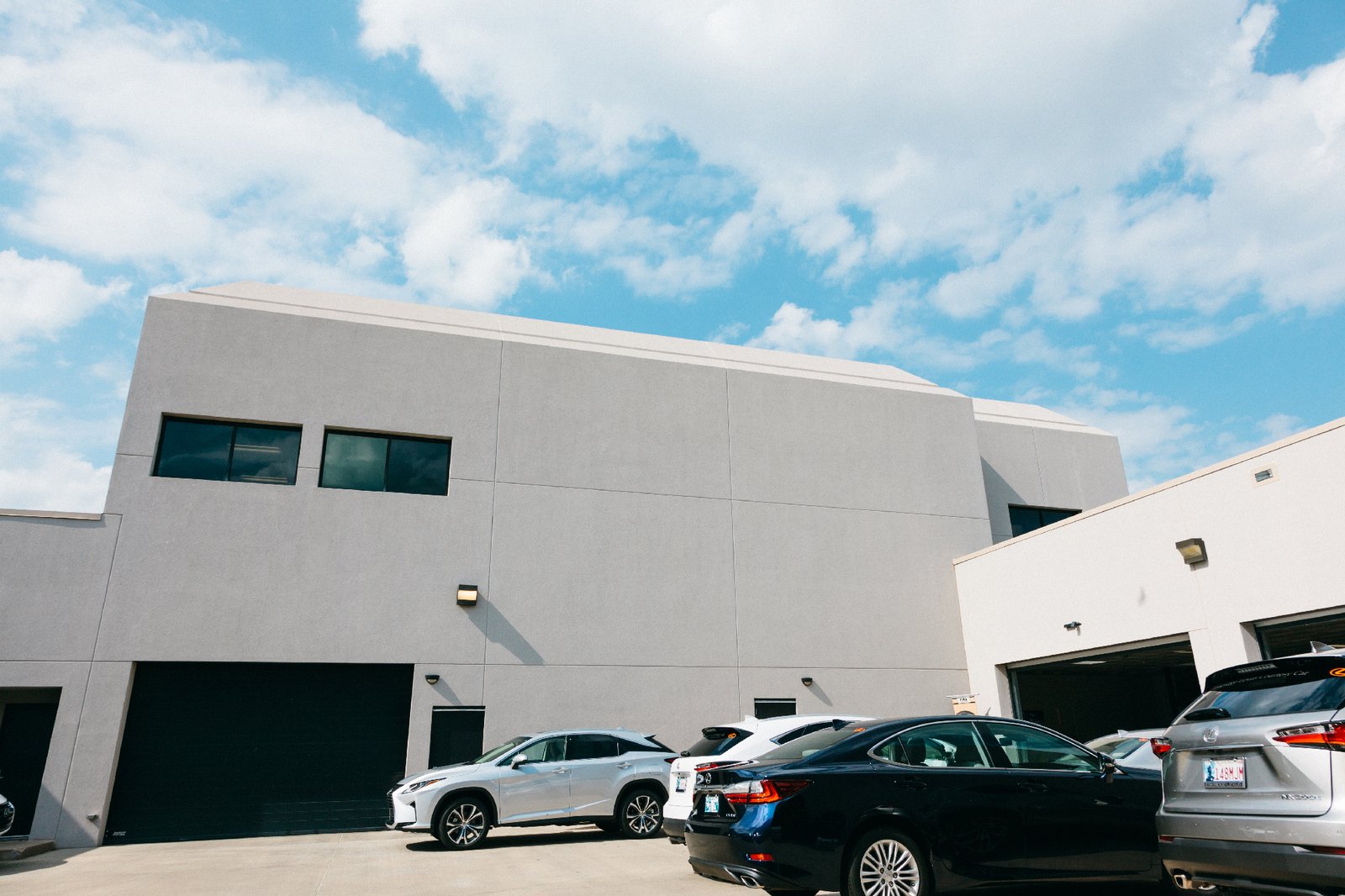
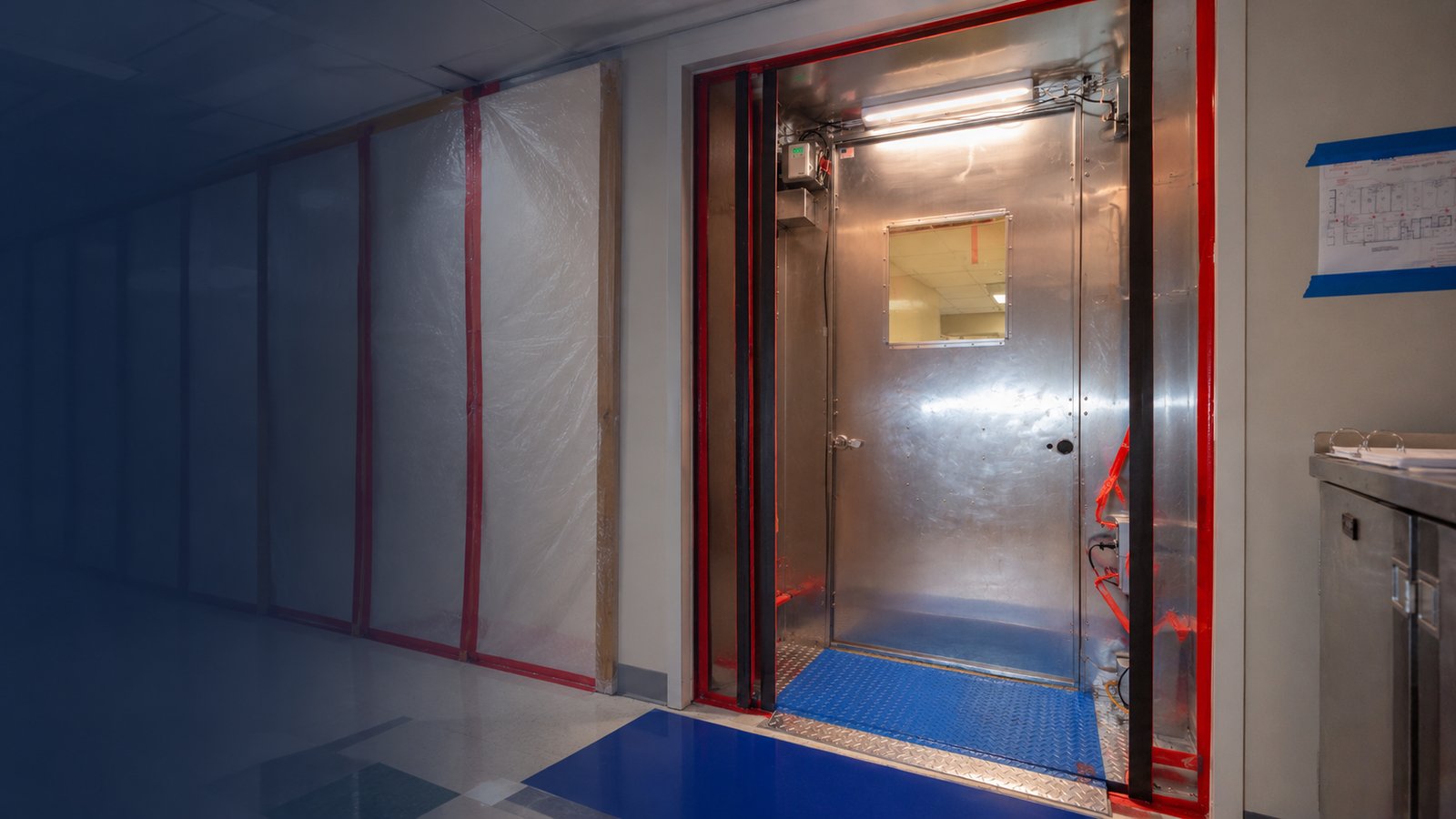
Our work falls into a few families, and we try to describe each one without puffing it up. On the vertical side, we deliver commercial construction for offices, retail centers, restaurants, hotels and mixed-use projects, along with healthcare construction where infection control, med-gas coordination and phasing around patients shape every decision. Education and municipal buildings sit alongside them, because Oklahoma communities keep funding schools, fire stations and city halls through bond elections, and those projects deserve a contractor that understands public procurement.
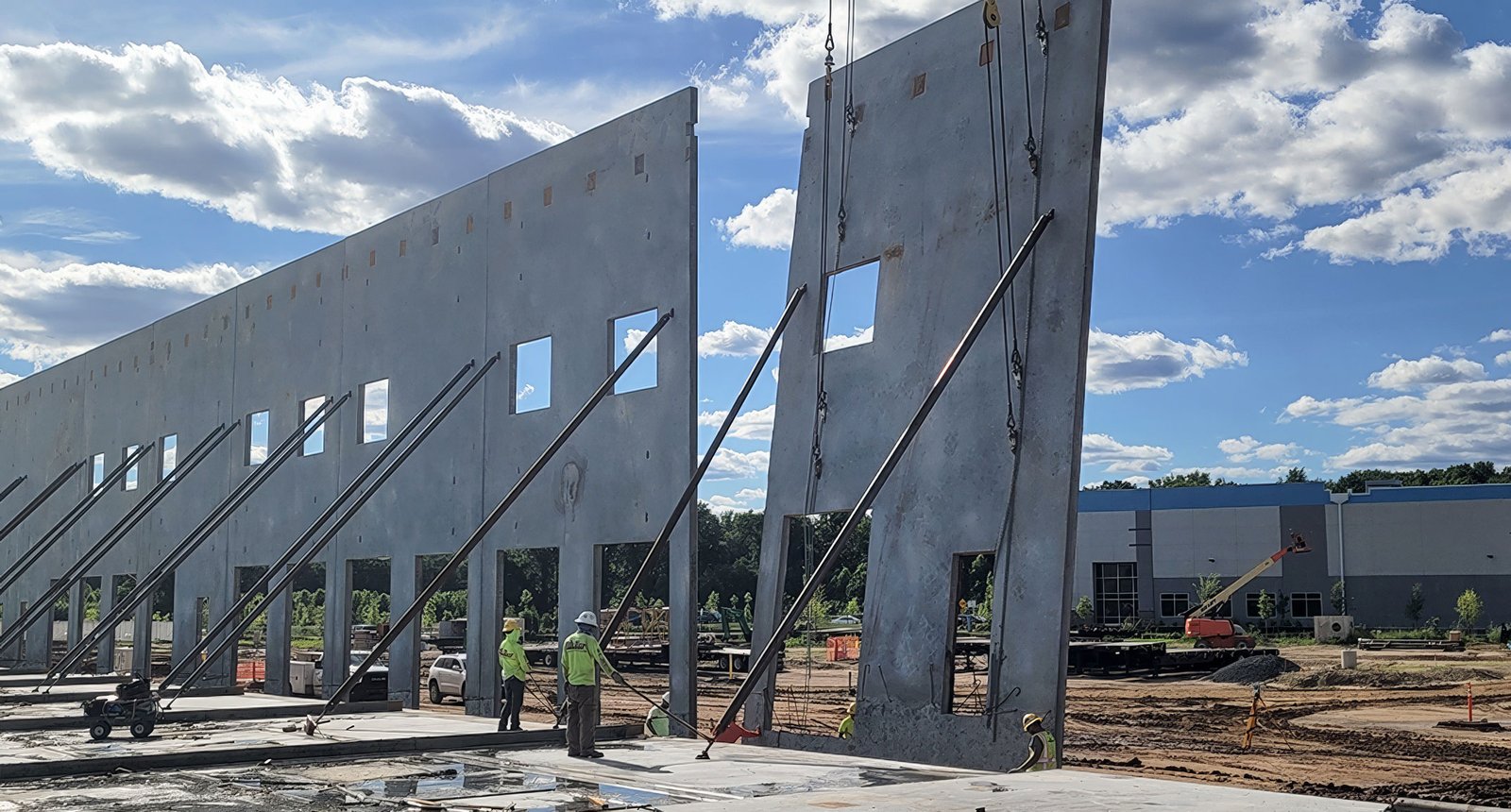
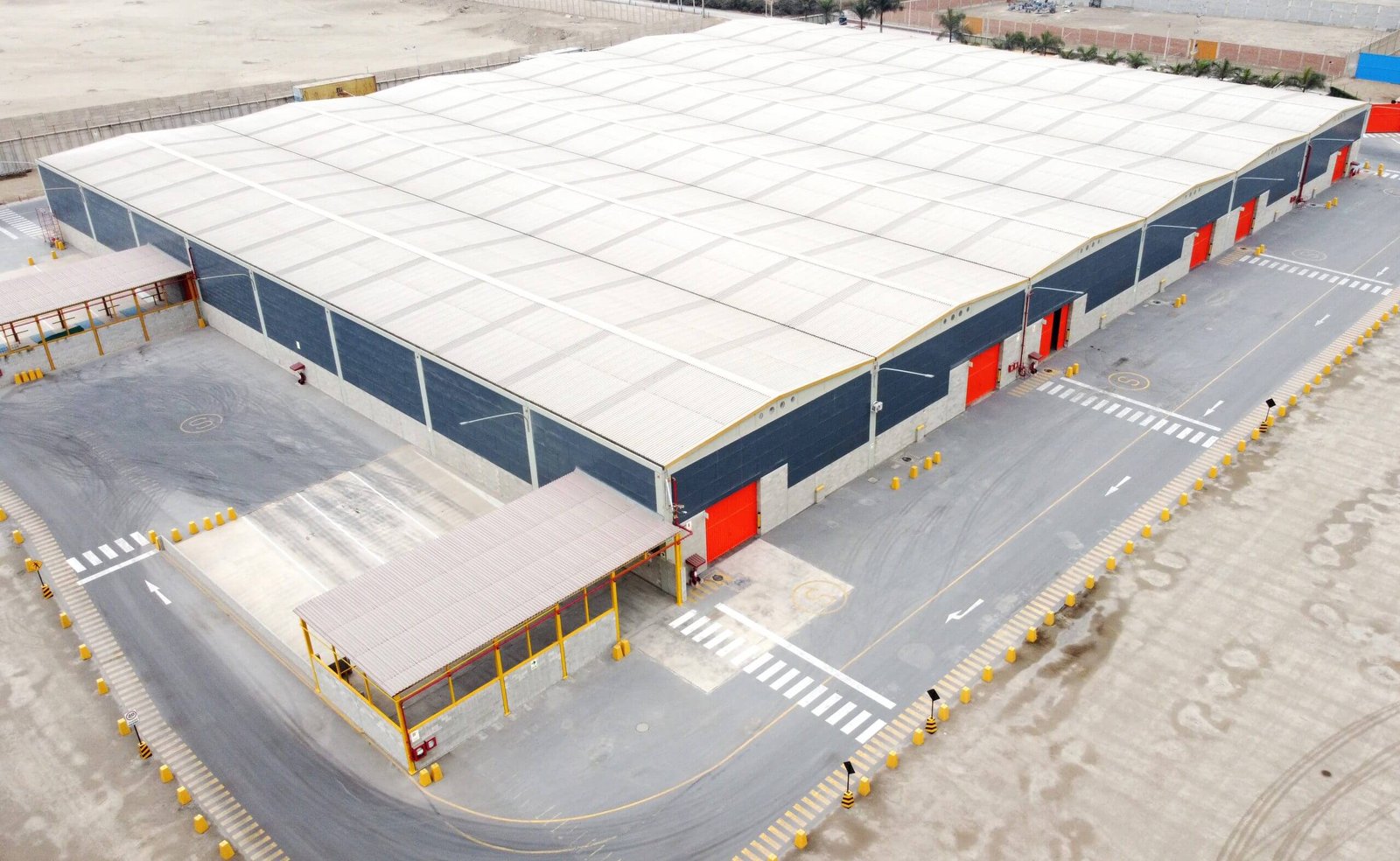
On the industrial side, we build warehouses, distribution centers, manufacturing plants, cold storage, data centers and flex space. Structural steel, tilt-wall panels, pre-engineered metal systems and clear-span frames are all part of how we frame these buildings, and we choose the structure by what the owner will do inside it. A cross-dock with a long run of overhead doors wants a different shell than a food processing room with washdown floors, and we say so during budgeting rather than after the steel is ordered.
We also take on site development, utilities, grading, stormwater, foundations and truck courts, since those scopes decide whether a building opens on time.
Every job begins with preconstruction estimating, and we treat it as real work, not a sales step. We break the scope into trades, compare options for structure and envelope, flag long-lead items such as switchgear, rooftop units, overhead doors and elevators, and put numbers beside the risks. Owners who have been surprised by a late allowance know why this matters. Our goal is a budget that holds because it was built from the ground up, with contingencies named instead of buried.
From there, delivery follows the project. Some owners want a single team from sketch to keys, and for them we run design-build delivery, where the designer and builder share one contract and one evolving number. Others bring finished drawings and want a clean hard bid or a construction manager who protects the schedule. We are comfortable in each seat. What stays constant is how we run the work: written scopes, weekly coordination with trade partners, a look-ahead schedule that people actually read, and a quality check before each inspection rather than after a failed one.
Safety and closeout get the same attention as the pour: orderly sites, commissioning, punch lists and training for the people who will run the building.
Oklahoma has a few facts every owner should know before the first meeting. The state does not license general contractors, according to the Construction Industries Board, though electrical, mechanical, plumbing and roofing trades are licensed and we keep those scopes with properly credentialed firms. That makes a contractor's references, bonding capacity and habits more important than any card on the wall, and we expect to be judged on them.
Building codes are another moving piece. The state's Uniform Building Code Commission sets statewide minimum codes, yet cities adopt and enforce their own editions and amendments. So we confirm the edition and local amendments with the city building department on every project, and we tell the design team early so a drawing set does not need rework at plan review.
Public work has its own discipline. Under the Public Competitive Bidding Act, contracts over $100,000 go to competitive bid and require bid security of five percent of the bid. We prepare for that process carefully, because a missed form or a late bond can end a pursuit that was otherwise sound. Our work for government and public sector owners reflects that, whether the owner is a city, county, public trust, state agency or tribal government.
The oil patch, the college town, the military post and the river port each ask something different of a builder. In the Oklahoma City metro, we work in Oklahoma City and its neighbors, where infill sites, tight utility corridors and a busy permit office reward careful sequencing. Around Tinker Air Force Base, which the Greater Oklahoma City Chamber describes as the largest single-site employer in the state, we plan for access control, escort requirements and the aerospace supply chain that grows up around a base of that size.
Across the Tulsa metro, we serve Tulsa, Broken Arrow, Owasso and the industrial ground at the Port of Catoosa, a 2,000-acre complex at the head of navigation on the Arkansas River system. Farther east, Muskogee and the MidAmerica Industrial Park near Pryor, which its own sheets describe as Oklahoma's largest at 9,000 acres, bring heavy logistics and manufacturing programs that depend on rail, river and highway access. We price those jobs knowing how freight actually reaches the site.
In southwest Oklahoma, Fort Sill and Lawton set the tone with a large Army installation beside a working city, while Ardmore, Durant and Ada carry a mix of manufacturing, tribal enterprise and regional healthcare. To the north and west, Stillwater, Enid, Ponca City, Woodward and Guymon are the kind of markets where a university, an air base or a processing plant can be the biggest employer in town, and where we plan for longer hauls and fewer subcontractors on call. We staff and schedule each of these places for what it is.
That attention to place carries into weather. The National Weather Service office in Norman counts 4,518 tornadoes in its records from 1950 onward, with May the peak month, and anyone building here plans for wind, shelter, drainage and a calendar that bends around storm season.
Our clients are the people who put buildings to work. Logistics and distribution operators need dock layouts, truck courts and floors flat enough for narrow-aisle equipment, and they need them before a peak season. Manufacturers need power, process areas and floors that can carry their lines. Developers want a shell that leases, retail tenants want a store opened on a date set by their lease, and healthcare systems want a building that supports care on the first day.
The shape of the building usually tells us how to approach it. An aircraft hangar is governed by door width, wingspan and fire protection long before it is governed by finishes. A data center is a power and cooling plant with a roof over it, so commissioning and long-lead gear control the schedule. A cold storage building needs a vapor-tight envelope and slab protection against frost heave. Each of these has a specialist vocabulary, and we learn the owner's version of it rather than imposing ours.
The same goes for newer industrial programs. Our page on the automotive and EV plant describes how power, process areas and long-lead equipment drive that kind of project, and the same questions come up for tire, battery and parts suppliers around the state. We do not claim a finished assembly campus, and we would rather tell an owner that than stretch a resume. What we do offer is the same discipline we bring to every industrial shell: ask about load, ask about process, and design the structure to match.
If you are weighing a project, we suggest starting with a short conversation about the site, the budget range, the target opening and the approvals still ahead. We would rather learn that a utility will not be ready until the fourth quarter at the start than discover it at the pour. From there we can sketch a path: a rough budget, a list of questions for the city, and a plan for who will do what.
We show up when we say we will and keep our trade partners informed. Reach out through the contact page and tell us what you plan to build and where. We will tell you plainly whether we are the right fit.
FAQ
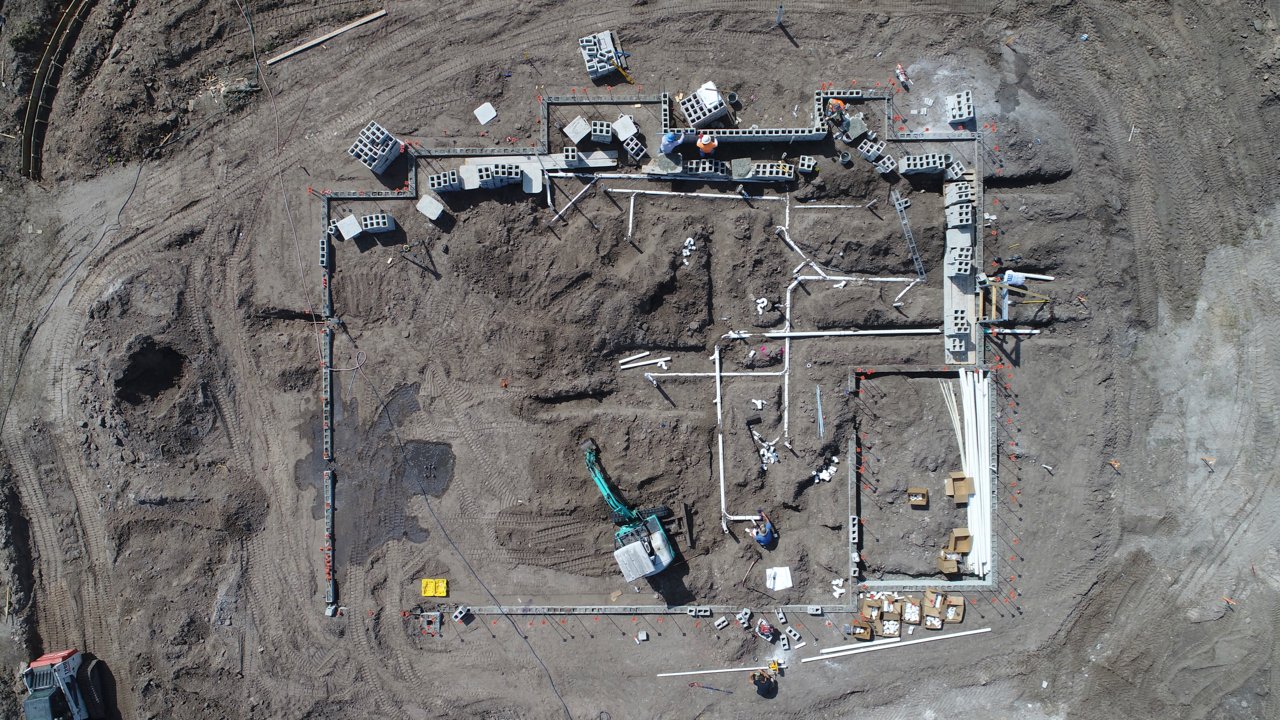
Tell us about the property, the building and the schedule, and we will explain how the work would be scoped, permitted and sequenced.
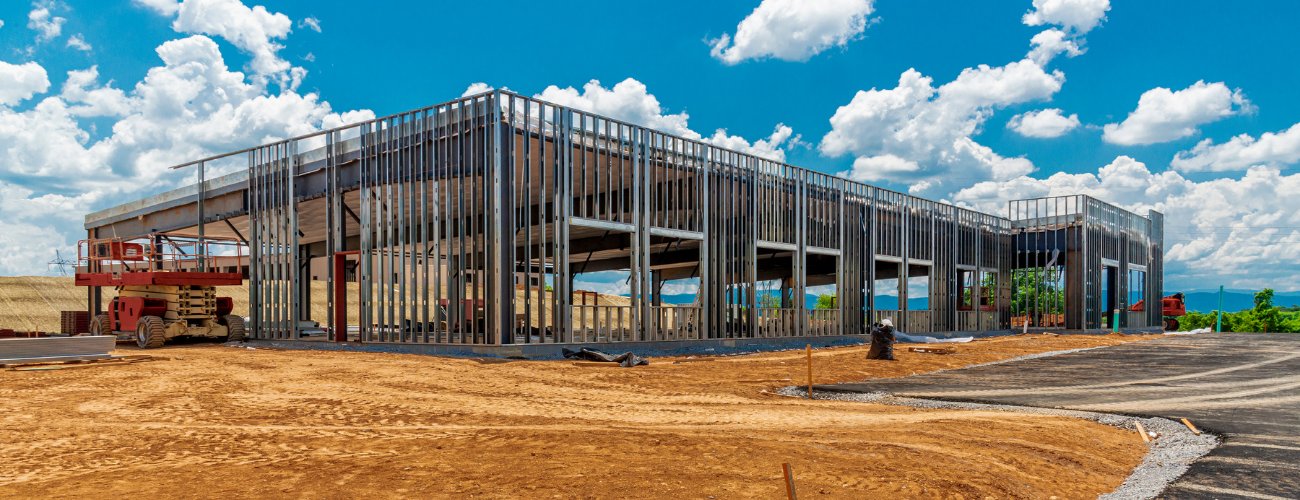
Commercial general contracting across Oklahoma, from metro permit offices to county roads.
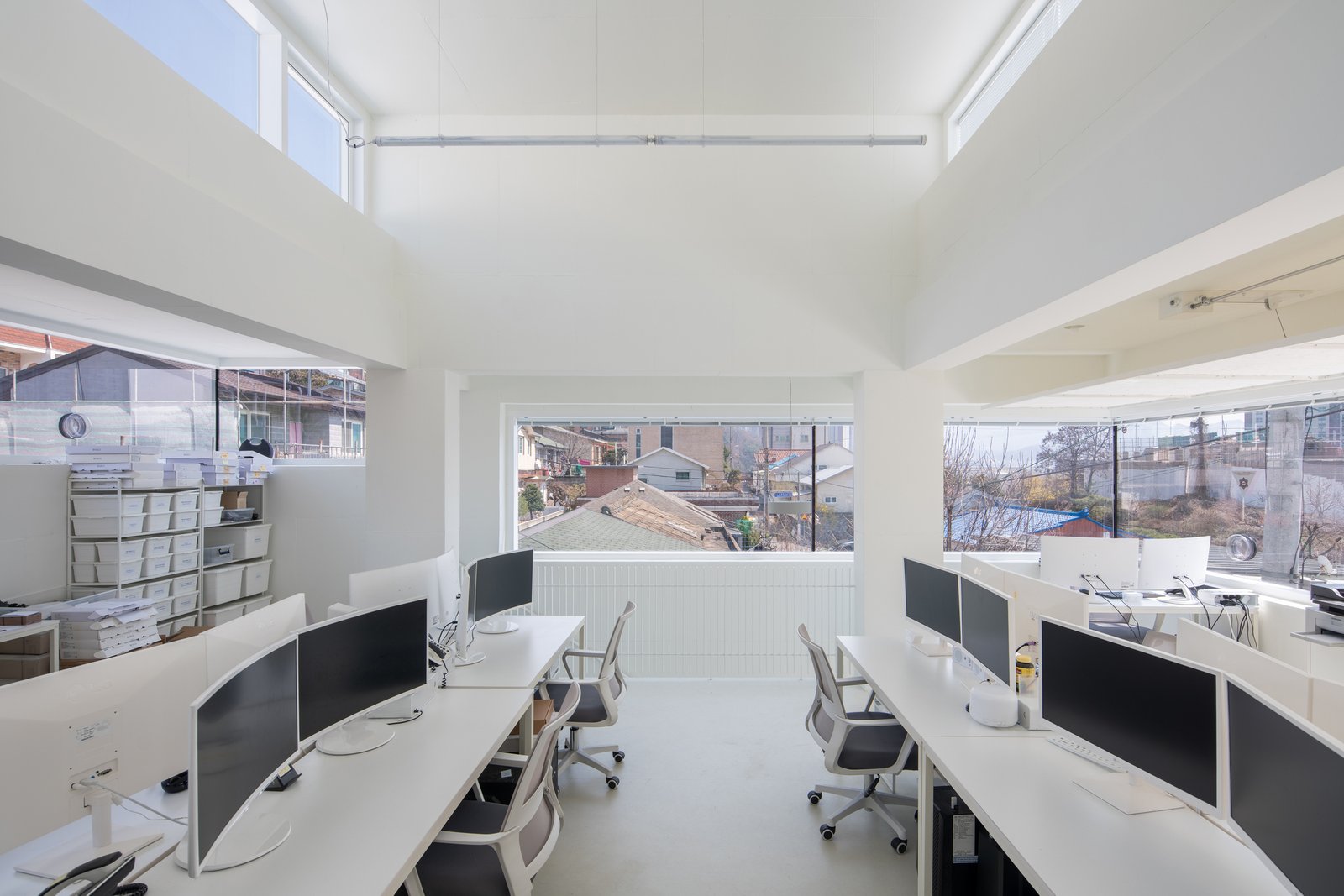
Office building construction across Oklahoma: speculative core and shell, build-to-suit headquarters and tech centers, with clear schedules.
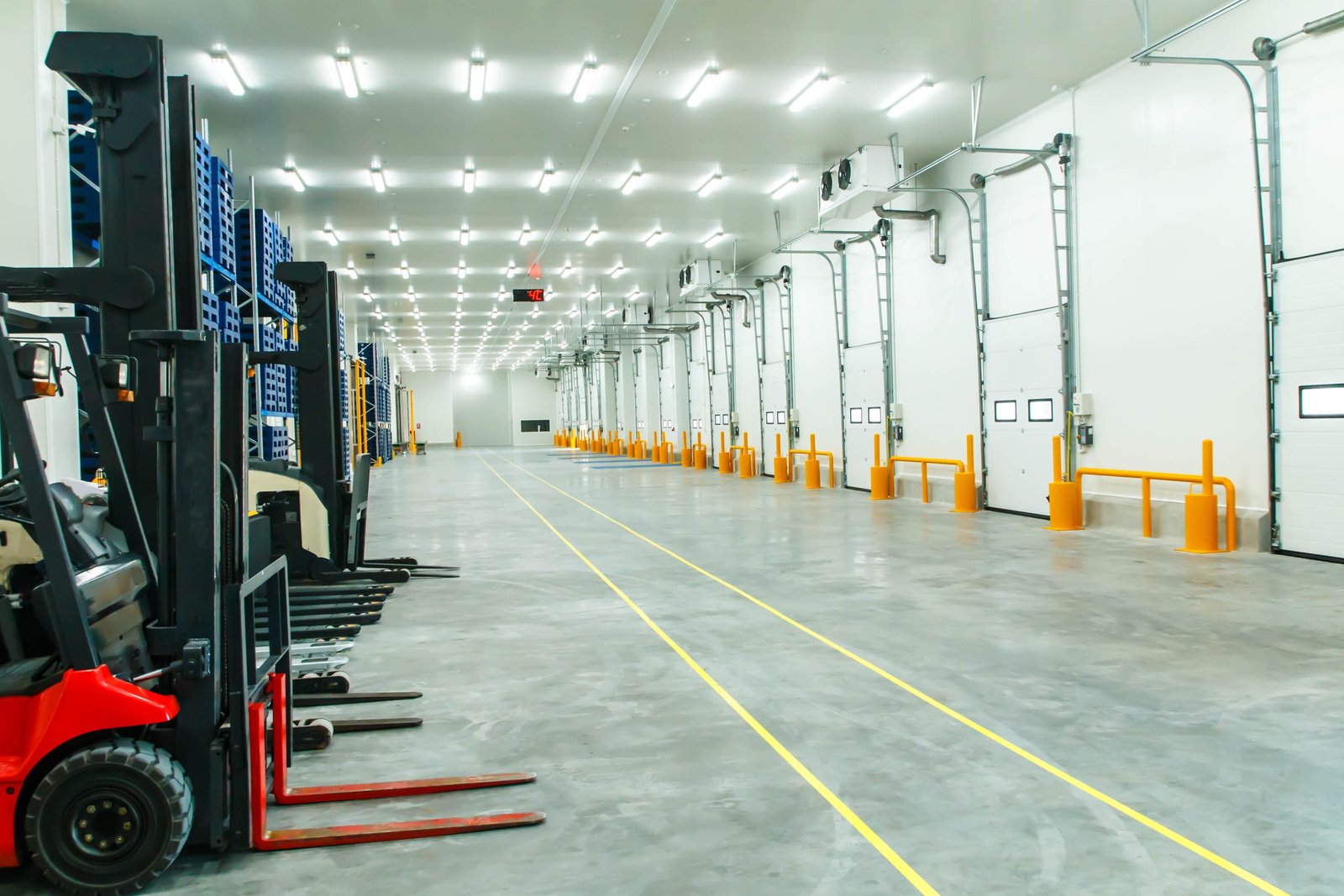
Shopping center, outlet and retail pad construction across Oklahoma, with phased openings, site work.