
Tribal governments, universities and hospitality owners buy buildings in a way that rewards a careful, communicative builder, and that is how we approach Tahlequah. We build government offices, clinics, hotels, restaurants, retail, classrooms and event space in Cherokee County, with site work suited to the Ozark foothills and paperwork suited to public and tribal owners.
The Encyclopedia of Oklahoma History and Culture states that in 2000 the Cherokee Nation employed more citizens than any other entity in Tahlequah, with the state university a close second. That older figure is a snapshot, but it reflects a pattern still visible in the market: public and tribal institutions shape demand for offices, services, housing and visitor facilities. A builder here has to be comfortable working with those owners and their procurement rules.
We never imply that we have built for any named government or institution. What we offer is a clear process for owners in this setting: written scopes, dated schedules, open-book reporting where requested and respect for how decisions are made.
The most common requests fall into four groups. Government and community buildings include offices, service centers, health clinics and gathering spaces. Hospitality includes hotels, restaurants, meeting rooms and event venues. Education-related work includes classrooms, lab upgrades, student services and housing. Commercial work includes shops, medical offices, banks and mixed-use infill.
We take the same approach to each: confirm the owner's program, check the site, set a budget with allowances separated from firm items and issue a schedule that shows approvals, procurement and construction. Our government and municipal building page explains how we handle public-sector reporting, and our hospitality and hotel page covers the rooms-and-amenities side.
Cost control starts with the program. Owners often arrive with a wish list larger than the budget, and the fastest way to close the gap is to rank features by value. We price alternates for finishes, mechanical systems and exterior materials so the owner can see what each upgrade costs and decide whether it belongs in the base building.
KTUL reported on March 26, 2018 that the Cherokee Nation announced a new casino at Cherokee Springs Plaza near Nancy Ward Drive in Tahlequah, replacing an older casino a couple of miles away, with a convention center in the project. We cite this as a market example of the scale of hospitality and event investment around the city, and we do not claim any part of it. Because the report is several years old, owners should treat it as background and confirm current plans.
For government and public sector owners, procurement matters as much as construction. Prequalification, bonding, prevailing wage rules where they apply, and clear documentation of change orders and payments are normal. For education institutions, schedules often revolve around breaks in the academic calendar, so we plan major disruptive work for summer and holiday windows.
We aim to hire and buy locally when quality and price allow it. Local subcontractors know the soils, the inspectors and the weather, and they can respond quickly if a problem appears. We describe our subcontractor selection process to the owner and invite local firms to bid where it makes sense.
Communication is the other half. We hold a kickoff meeting that names decision makers and approval steps, send weekly written updates with photos and keep a running log of questions and answers. Owners with committees or boards appreciate this record, since it lets members who missed a meeting catch up quickly.
Closeout is part of the relationship. We schedule training for your maintenance staff on the mechanical and control systems, deliver warranty documents in an organized binder or digital folder and return after occupancy to correct items that show up in the first months of use. Owners tell us this follow-through matters as much as the finished building.
Permitting depends on who owns the land and who regulates it. A site inside the city is reviewed by the city building department under the codes it has adopted, while other sites may fall under different rules. Oklahoma sets statewide minimum codes, and each project follows the codes the local authority adopts and enforces, so we confirm the edition and amendments tied to your submittal with the right office before drawings are final.
Utilities and access deserve early confirmation. Tahlequah sits where U.S. Highway 62 meets State Highways 10, 51 and 82, according to the Encyclopedia of Oklahoma History and Culture, so truck access is generally good, but water, sewer, fire flow and power vary by site. We request letters and capacity information up front and price extensions before the owner commits to a parcel.
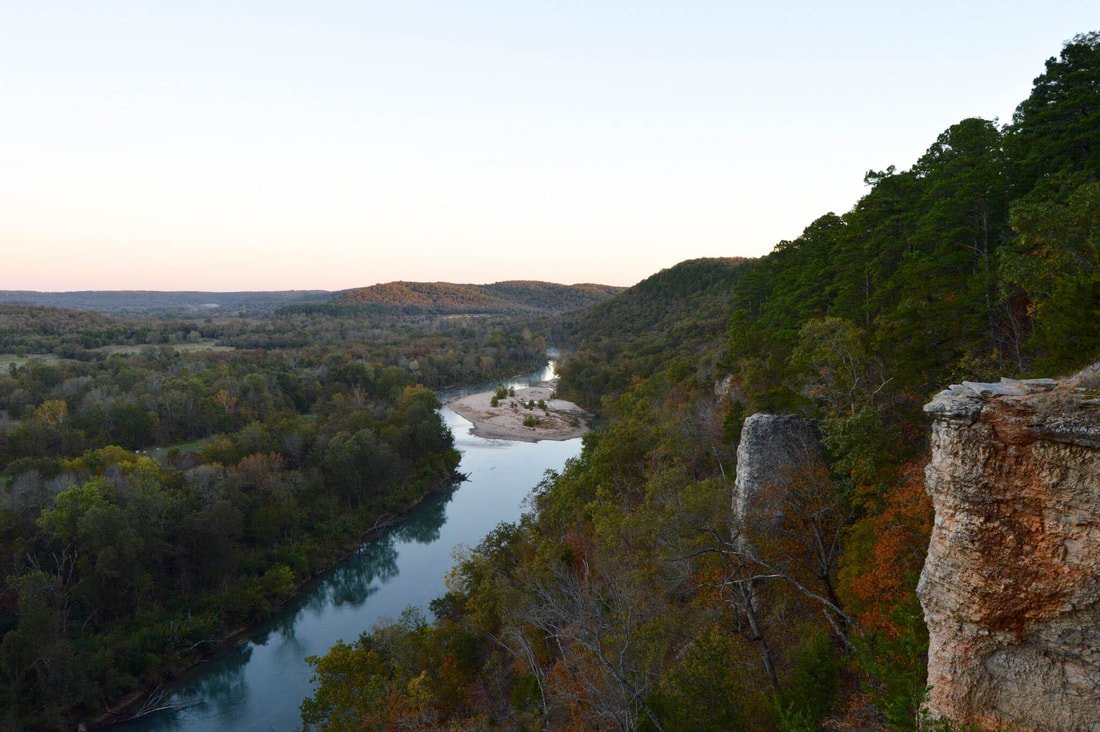
Wikipedia states that Tahlequah is located at the foothills of the Ozark Mountains, at an elevation of 814 feet. In practice that means sloped lots, rock closer to the surface in places and drainage that follows the land. The trade partners for mass grading and stormwater drainage cut, fill and shape pads so water runs away from buildings, and we plan retaining and slope stabilization with the civil engineer when a site demands it.
Sloped sites also change the building. A walk-out lower level, stepped footings or a split-level entry can fit a hillside better than a flat pad, and we help owners weigh those choices against cost. If you are comparing Tahlequah with Muskogee or Stillwater for a facility, we can price the same program in each and show where land, grading and utilities make a difference.
Describe your program, your site and the people who will approve the work. We will return a scope, budget range and schedule that suit a public, tribal or private owner.
FAQ
Send the property, the building type and the schedule. We review the scope, the approvals and the trade packages and explain how the project would be sequenced.