
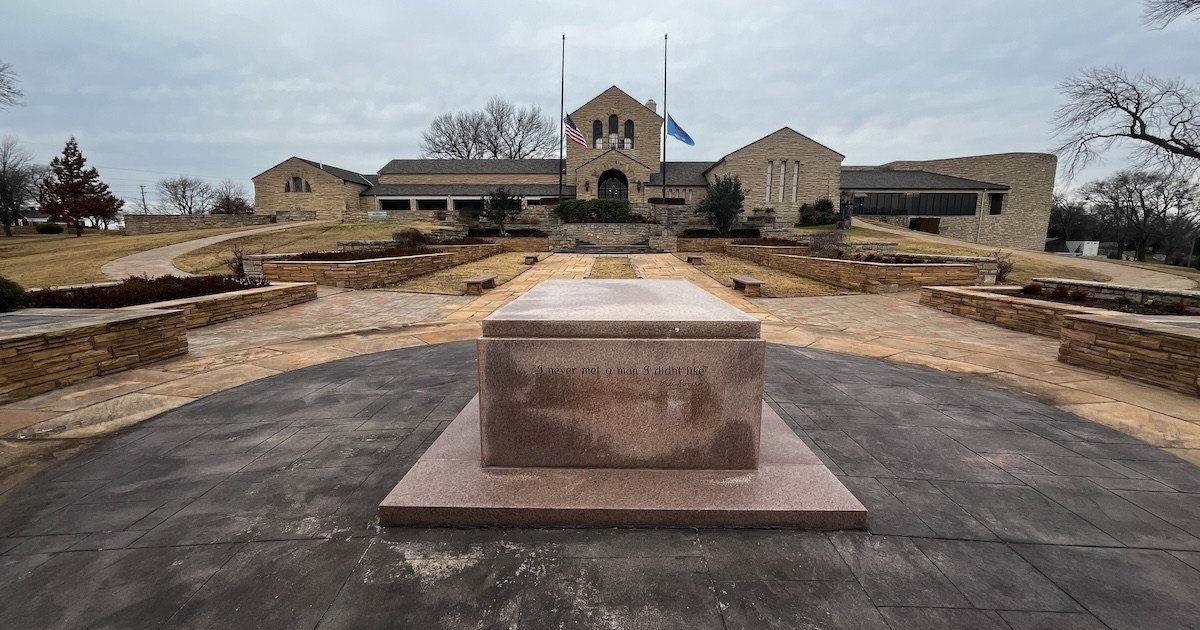
Service companies that run crews, trucks and pipe out of one yard need a shop that holds up to daily abuse, and our work in Claremore starts from that need. We build equipment bays, fabrication shops, yard slabs, offices and warehouse space for operators in Rogers County, then add the commercial and civic buildings that grow up around a working industrial town.
The location gives those operators options. Wikipedia reports that Interstate 44 crosses Claremore to the southeast, that State Highways 66, 88 and 20 intersect inside the city, and that two rail lines, now operated by Union Pacific and BNSF, intersect here as well. The same source describes a large Baker Hughes presence in the Claremore Industrial Park, only a few miles from the Tulsa Port of Catoosa. For an manufacturer or equipment-service owner that is a short haul from rail, barge and highway.
We keep the work practical and plain. You get a written scope that says what the slab, wall system and yard paving are, what the site package includes, and what we have left to you. Then we build it with the trade partners for concrete and a trade list we know from Tulsa to Rogers County.
Heavy service companies punish concrete, so we begin with the slab. Equipment bays get thicker sections, doweled joints and a mix design suited to oil, chemicals and steel wheels. Wash bays receive sloped floors, trench drains and a spot for an oil-water separator if your environmental permit calls for it. Our commercial concrete floors trade partners place and finish these slabs under our supervision, and we test flatness where forklifts or overhead cranes demand it.
The yard is the other half of the investment. Laydown areas, truck turnarounds and parking see far more loading than a typical lot, so we design the base and surfacing for it. We tie truck courts and dock aprons into the building apron so a loaded trailer does not rut the one spot everyone drives over daily.
Claremore's oilfield services base is not the only buyer. Rail and highway access draws parts makers and distributors, and a regional town this close to Tulsa supports medical offices, banks, restaurants and retail pads. We have a different conversation with each owner, but the building basics are shared: a dry floor, a roof that sheds water, clear circulation and a certificate of occupancy on the date you were promised.
Public work belongs on that list too. Rogers County schools and city facilities go through bond votes and public bidding, so we prepare estimates that stand up to a competitive process. Owners that want to compare how we handle institutional jobs can look at our government and public sector page, and our Catoosa and Port of Catoosa page covers the industrial park next door.
A fourth group is easy to overlook: owners who lease to others. A landlord with a shop-and-yard building wants a plan that a second tenant can use if the first one leaves, so we favor clear spans, generous power service, standard dock heights and a yard that can be fenced in more than one way. That flexibility costs little during construction and keeps the building leasable.
Wikipedia reports that an EF3 tornado struck Claremore on the night of May 25, 2024. Whatever your building does, that history is a reason to think about how people shelter and how fast you can get back to work. We talk early about interior shelter rooms, roof attachment, openings in long walls and the way overhead doors are braced, and we price those choices in the first estimate and not as a late add.
On our own sites, crews work under a written safety plan with daily briefings, fall protection on every edge, trench protection and lockout rules when they work near live equipment. If you run an active yard, we mark haul routes and keep your trucks and ours apart, because the real danger on a service-company site is traffic.
We start with a site meeting where we look at grade, drainage, access for trucks and what the neighbors do. From there we price in stages so you can decide whether to add a mezzanine, a second bay or a bigger yard before the design is set. Early numbers are labeled as budgets, and we show our assumptions beside them.
During construction you get one point of contact, a weekly written update and photo documentation of what is buried. When a pre-engineered metal building is the right fit, as it often is for shops, we coordinate the building package, the anchor-bolt layout from the manufacturer and the foundation so they arrive in the right order.
Oklahoma has statewide minimum building codes, and each city adopts and enforces its own editions and amendments, so we confirm with Claremore's building department which ones apply before we finalize drawings. General contractors do not need a state license here, but electrical, mechanical, plumbing and roofing trades do, and we use licensed firms for each.
Some sites sit outside the city limits, where county rules, septic review and fire access become part of the file. We tell you at the start which jurisdiction you are in and what each office will ask for, since that determines whether a permit takes days or weeks. For a first-time builder in the area, that early clarity is often worth more than a lower bid.
Tell us what your crews and trucks do each day, how much yard you need and when you want to be in the building. We will come back with a scope, a budget range and a realistic schedule.
FAQ
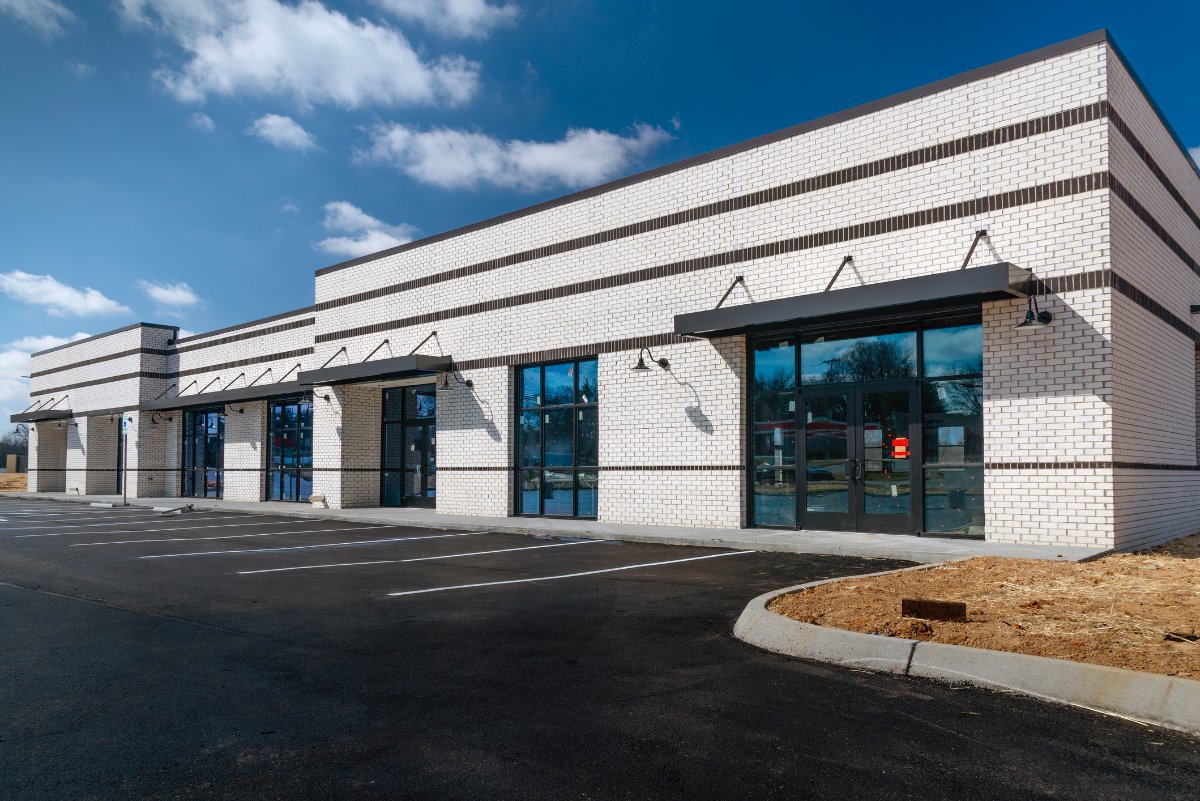
Send the property, the building type and the schedule. We review the scope, the approvals and the trade packages and explain how the project would be sequenced.