
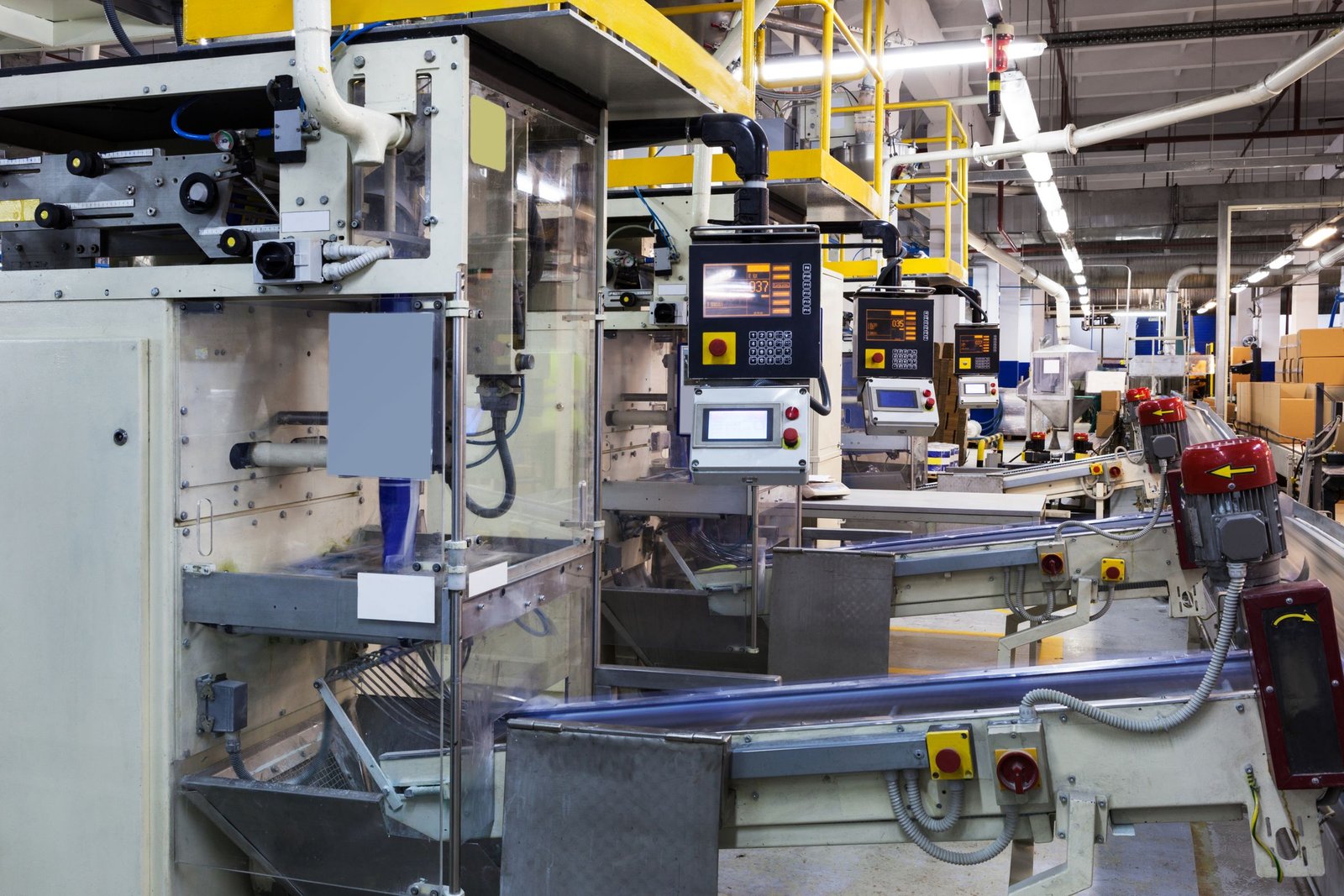
Broken Arrow is described by Wikipedia as having the third-largest concentration of manufacturers in Oklahoma, a reminder that factory construction here is not a single story about a few big plants. It is a steady stream of expansions, new lines, mezzanines and utility upgrades inside buildings that are already running. We build and expand industrial facilities for manufacturers across the state, and the first thing we ask any plant manager is what must keep running while we work.
A manufacturer buys capacity. The building exists to hold equipment, move product and protect people, and a construction project succeeds when new production starts on the day the operations plan says it will. That makes the schedule dependent on machine delivery, utility capacity and commissioning, which is not how an office building is built.
Oklahoma helps in some ways. The Department of Commerce reports that the state produces 61% more energy than it consumes and that energy costs run 17% below the national average, which supports energy-intensive processes. The same industries also face a labor market that is tight in rural counties, so an expansion has to account for people as well as steel.
The recent record shows how varied manufacturing is. In Muskogee, the Oklahoma Department of Commerce announced a $27 million expansion by CaptiveAire Systems with 80 new jobs, including a new manufacturing plant. In Stillwater, Kingspan Roofing + Waterproofing was announced for a facility on North Perkins Road with more than $80 million in capital investment and more than 100 new jobs. In Lawton, a Goodyear plant was building a $50 million expansion that included a 45,000-square-foot building for an advanced mixer.
These examples cover metal fabrication, building products and tire manufacturing, and each has different loads and process needs. Our manufacturing plant work starts from the process: product flow, equipment weight, crane requirements, ventilation, wastewater and utilities. A food plant adds washdown and temperature control, and our food and beverage processing approach goes further into sanitary design. A plant in a rural county may also have to supply its own water treatment or power upgrades.
Process buildings are only as good as their foundations and floors. Heavy presses, machining centers and conveyors need slabs with the thickness, reinforcement and flatness the manufacturer specifies, along with isolated pads for vibration-sensitive equipment. We pay particular attention to slab pours and curing, since an unsuitable floor can limit production for the life of the plant. Our commercial concrete floors and concrete foundations experience guides how we plan pour sequences, joint layout and floor finishing.
We keep control of tasks that determine schedule risk: site preparation, foundations, slab work and building coordination. Specialty process piping, controls and equipment setting are normally performed by licensed trade partners or the equipment supplier, and we integrate them into the schedule. If the manufacturer has an in-house maintenance team, we coordinate with them on shutdowns and tie-ins.
A manufacturing job may include a metal building or tilt-up shell, process area, office and welfare space, truck docks, utilities, fire protection, electrical service and site work. In rural areas, it may also include road improvements and sewer extensions. We often work from the owner's engineer or equipment vendor drawings and add the building, site and coordination, which is why we encourage early meetings between the design team and our estimators.
Shawnee shows the kind of ecosystem that supports this. The Oklahoma Department of Commerce prospectus lists Shawnee Milling, Georg Fischer, Eaton, Jindal Films and Wolverine Tube as major employers and says more than 70 manufacturing companies call Shawnee and the surrounding county home. Suppliers, service companies and workforce training all grow around that base. Our manufacturing facility construction team can price a new plant, an addition or a structural upgrade for heavier equipment.
The building has to be ready when the machine is on the truck, so equipment delivery dates drive the project. We plan backward from equipment set dates and include utility tie-ins, floor cure time and commissioning. Switchgear, transformers and large HVAC equipment may take months to arrive, so we place orders early.
Expansions inside operating plants rely on shutdown windows. A utility cutover that needs eight hours of downtime may be planned weeks ahead, with each trade ready and each tool staged. We also separate construction traffic from forklift and truck routes, and we set temporary dust barriers to protect production areas.
Manufacturing owners usually have their own safety programs, and ours supports them. Contractors are oriented before they enter, wear the required protective equipment and follow lockout and tagout rules. Hot work, confined space and elevated work are permitted and monitored. Because workers from several firms may share the plant, we keep a daily plan that shows who is working where, so nobody energizes a line that someone else is servicing.
Weather planning belongs in the plant safety plan as well. A plant roof with large openings, overhead doors and outdoor storage is exposed to wind, and the National Weather Service Norman office's table of 4,518 Oklahoma tornadoes from 1950 onward is a reminder to keep shelter procedures current. We confirm the owner's shelter locations, brief every crew on them and secure laydown areas whenever a storm watch is posted.
A plant is part of a supply chain. A new facility will need warehouse and truck court space, which links to our work for logistics and distribution owners. Plants near military installations may serve aerospace and defense customers, an area where our experience with the government and public sector is useful. Developers who build spec industrial buildings for future tenants can find more in our work for commercial real estate developers.
Send the process layout, the equipment list and your target production date. We will return a building budget and a schedule tied to equipment delivery and shutdown windows.
FAQ
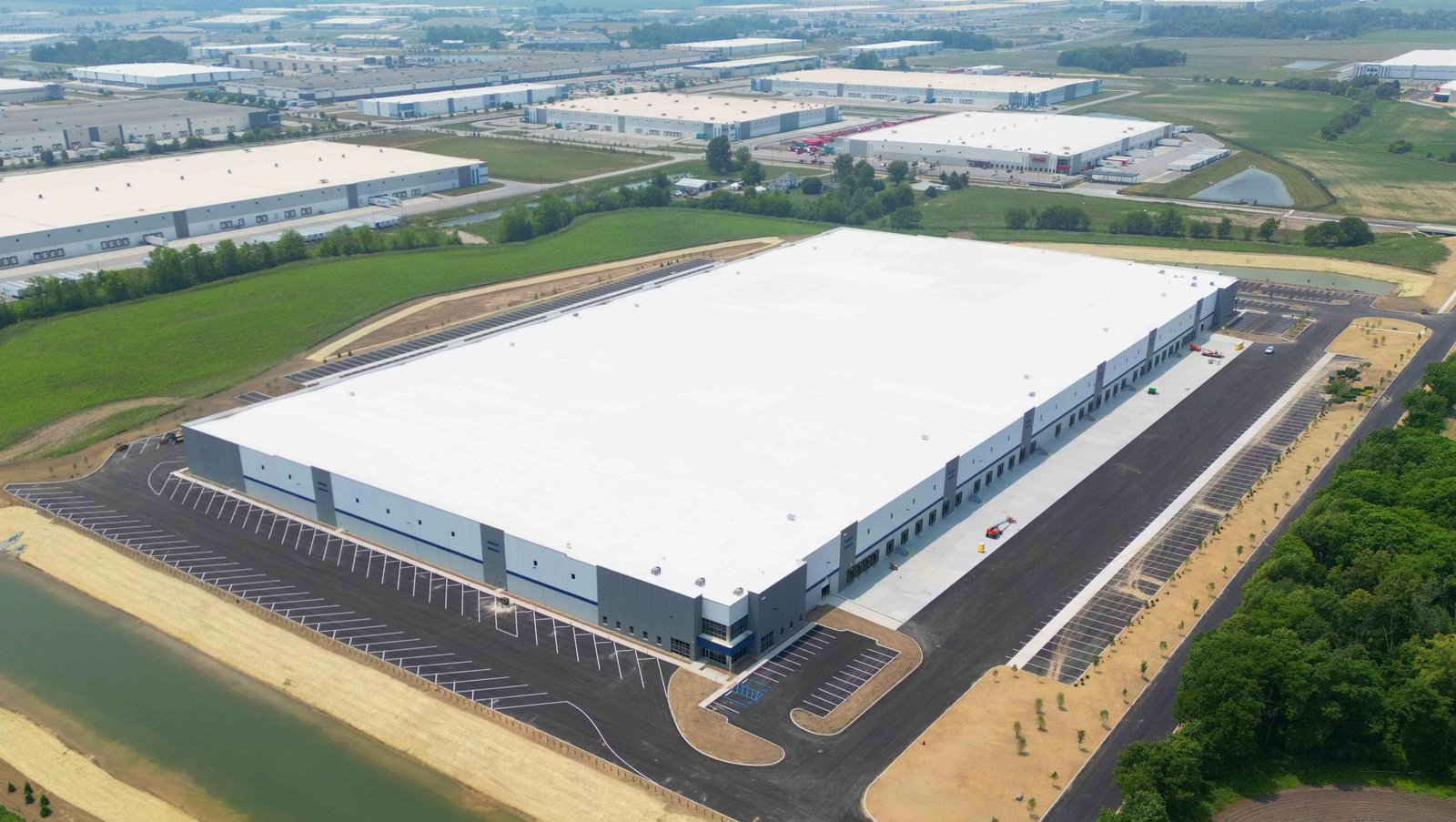
Send the property, the building type and the schedule. We review the scope, the approvals and the trade packages and explain how the project would be sequenced.