
Nobody shuts down a flight line, a hospital wing or a school year for a contractor's convenience. Yet some of the most valuable construction in Oklahoma happens on sites that cannot stop working: military installations, maintenance bases, medical campuses, universities, plants and public buildings. We build on those sites by phasing the work so the people inside keep doing their jobs.
Phasing is more than a sequence of dates. It is a set of promises to the owner about where our trade partners will be, which doors stay open, how noise and dust are contained, how utilities are shut off and restored, and who is in charge of each handoff. We write those promises into the plan, review them with the people who will live with them and hold ourselves to them.
Good phasing usually costs a little more and a little time, and it prevents the type of disruption that can cost an operating owner far more.
Our first concern on an occupied site is the people who are not our employees. We separate construction traffic from public traffic with fencing and signed routes, hold daily briefings that include the owner's safety contact, and make every worker aware of the site's rules for badges, vehicles and restricted areas. On secure installations, background checks and escort requirements are part of the cost and the schedule, and we plan for them from the first estimate.
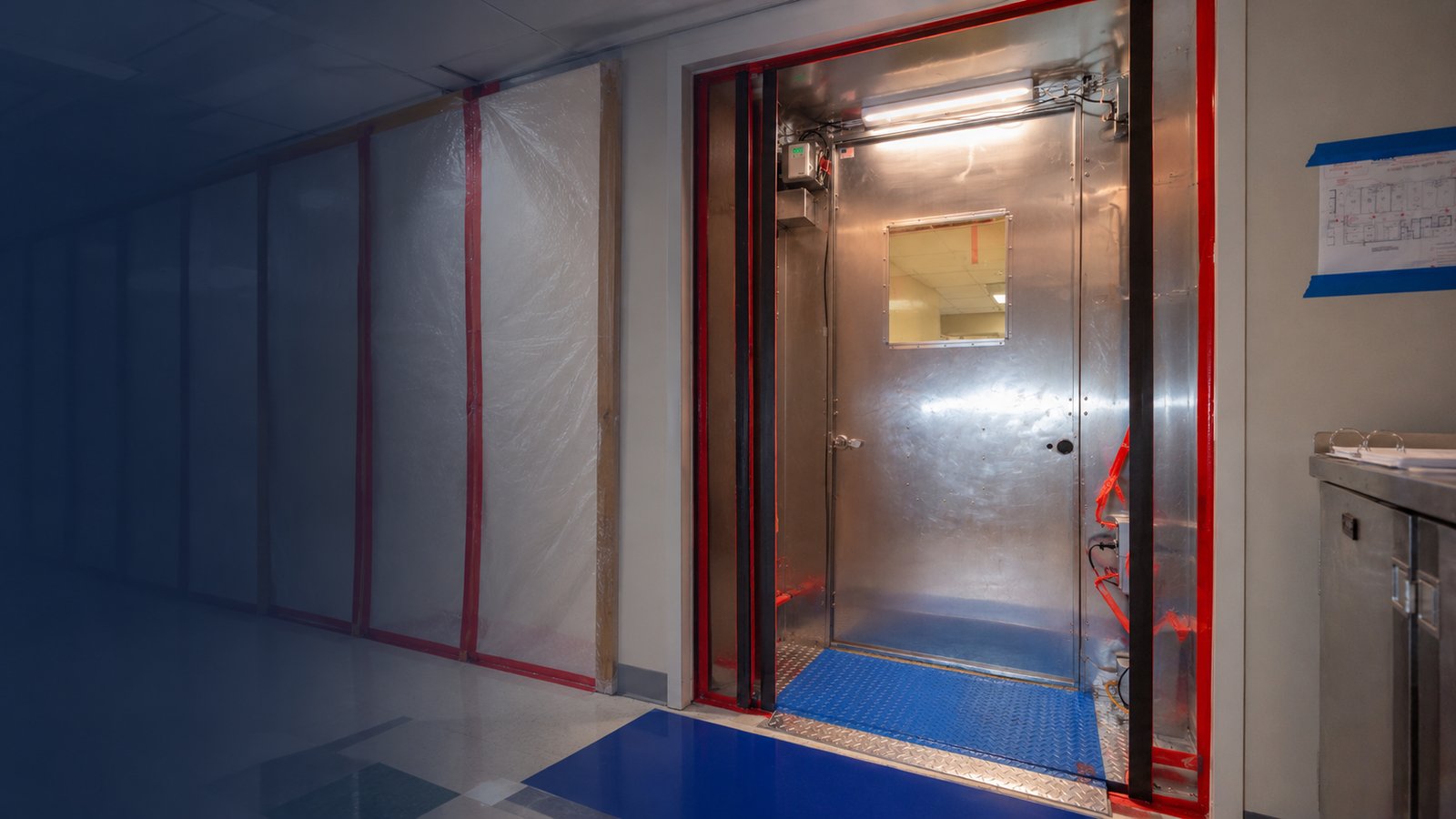
Infection control, hot work permits and fire watch also apply. In a medical setting, dust barriers and negative air are built before demolition starts. In an industrial plant, shutdown windows and lockout procedures set the pace. In every case, we write a site-specific safety plan that includes emergency access, evacuation routes and how the owner's staff can stop work if something looks wrong.
We start by walking the site with the people who operate it. A facilities manager knows which door gets the most traffic, which hallway is used for deliveries and which utility closet cannot be shut off without a call to the director. These details rarely appear on drawings, and they shape where work can happen and when.
From that walk we draft a phase plan with drawings that show the work area, the barriers, the temporary exits and the utility shutdowns for each phase. We review it with the owner and any regulators, adjust it and then fix it in the schedule. Each phase ends with a documented handoff, a walk-through with the owner and a check that the space is ready to be returned to service before the next one begins.
The calendar of the occupant sets the calendar of the project. A school work window is the summer, an airline maintenance base might offer certain bays at certain times and a refinery may offer a turnaround. A campus built around a semester has other windows. We build the schedule around those, with float for the delays that always come.
Material deliveries are scheduled to avoid peak times, and loud or disruptive work is moved to nights or weekends where the owner approves. When a utility must be cut over, we plan the cutover to the minute, test the new connection before the old one is removed and keep a rollback plan in hand. The cost of a failed cutover on a live site is high, so we rehearse before we commit.
In Enid, the city states that more than 2,600 military and civilian personnel work at Vance Air Force Base, which it identifies as the largest employer in town, and that the base trains more than 410 pilots annually. At Altus, a 2014 report described $56 million of KC-46 facilities, including a flight training center, a fuselage training facility and new hangars, for training about 475 aircrew each year. Work on or near bases like these happens around training schedules and security controls.
Large maintenance facilities offer similar challenges. A 2020 report said an airline would invest $550 million in its Tulsa maintenance base over seven years, including a 193,000-square-foot hangar for larger planes and a 132,000-square-foot base support building. That much construction beside an active workforce depends on strict phasing. We apply the same logic to hospitals, schools and similar occupied buildings, and our Enid and Altus pages explain more about how we approach those markets.
Owners can make phasing easier by deciding a few things at the outset: whether a space can be vacated completely or must remain partly in use, whether utilities can be shut down for a defined window, what security procedures apply and who has authority to approve changes. When those decisions are delayed, the contractor has to guess, and the guess costs money.
The second area is communication. We recommend a weekly coordination meeting with the owner's operations lead, a monthly look-ahead for tenants or staff and a single point of contact for complaints. A noisy week is easier to tolerate when people know it is coming. For schools and education institutions, that includes teachers and administrators, who are often the first to notice a problem.
An occupied building must continue to meet life safety requirements while work is going on. Exits must stay open and marked, fire alarms must stay active or be covered by a fire watch, sprinkler impairments need the fire marshal's notice and accessible routes must remain usable. We prepare an interim life safety plan with the owner and, where required, with the local fire official.
Where work affects a public building, the state statute requiring facilities for people with disabilities may also apply. Under 61 O.S. section 11, buildings constructed before May 24, 1973 must comply if additions add 25 percent or more floor area or alterations affect 25 percent or more within a twelve-month period. We check that threshold at the start of any renovation, because it can change the scope. Our tenant improvement and renovation work follows the same practice.
Tell us what has to keep running, when you can give us space and what your security rules are. We will return a phasing plan with drawings, dates and costs.
FAQ
Send the property, the building type and the schedule. We review the scope, the approvals and the trade packages and explain how the project would be sequenced.