
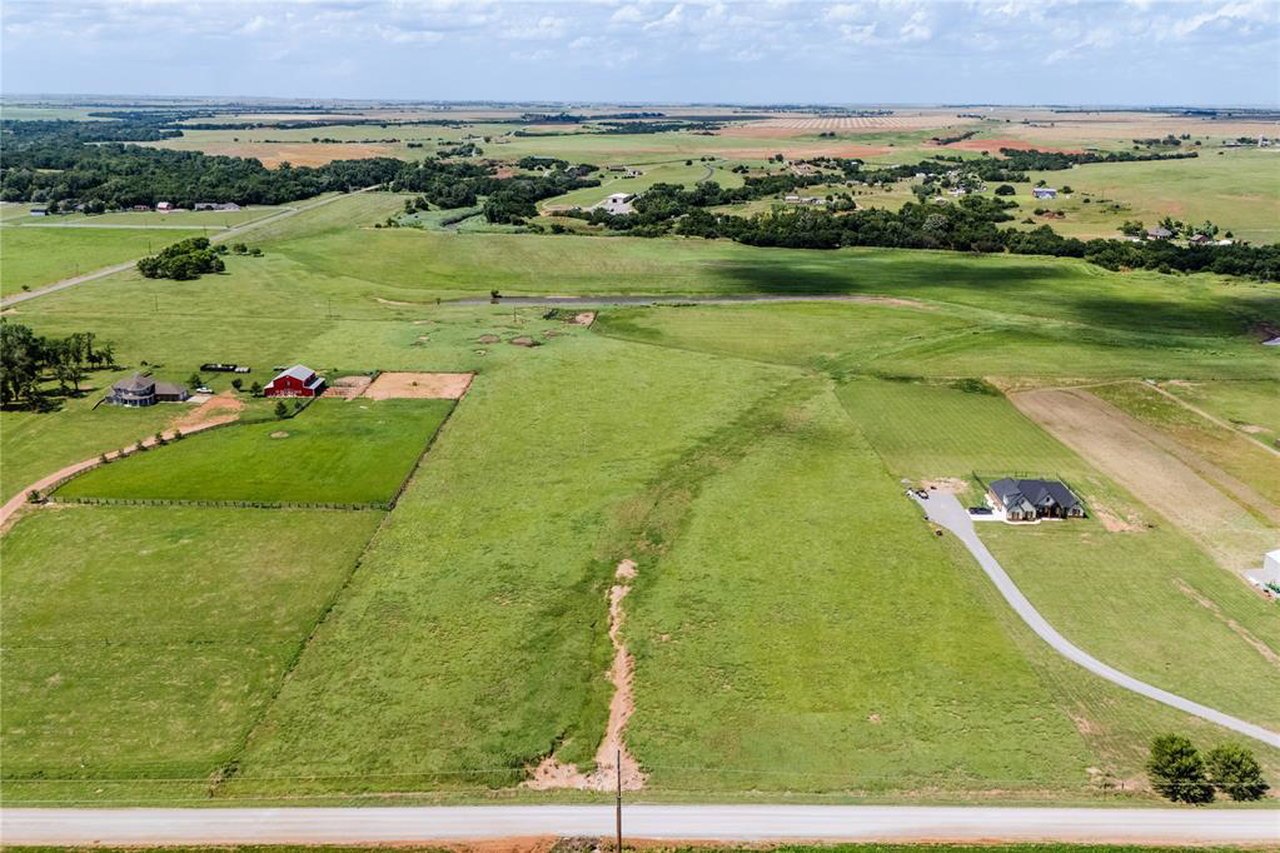
Weatherford asks a builder to work comfortably on a campus and on a plant floor in the same year, and that mix is how we organize our Custer County work. We build residence halls, classrooms, offices, clean and dry manufacturing space, hangars and roadside commercial buildings, with the schedule written backward from the date people or product must move in.
Wikipedia reports that Southwestern Oklahoma State University reached more than 4,200 undergraduates and post graduates by 2015, making it the largest institution of higher education in Western Oklahoma. That is an older figure from a general reference, so we use it for scale only. A campus of that size has a steady stream of work: renovating older halls, adding labs, building parking and updating mechanical systems. Most of it is done in short summer windows that do not move, and we make no claim of work for the university.
The same reference says Kodak's roughly 50-year-old Weatherford plant received a $15 million expansion in 2017 for flexographic packaging plates. Plants of that kind need controlled environments, careful floors and neat utility runs, and we explain below how we approach them. We name the plant as market context and make no claim of work for its owner.
Printing-plate and packaging production involves chemistry, clean air, precise temperatures and a floor that stays flat. A building for that use needs sealed concrete, drains and containment where chemicals are used, ventilation for fumes, controlled dust and power with good grounding. We coordinate these with the process engineer before the slab is poured, and we protect finished surfaces during construction.
An expansion of an existing plant is a harder job than a new building, because the plant keeps running. We plan temporary walls, utility tie-ins during scheduled shutdowns and traffic routes that keep forklifts and construction vehicles apart. Our manufacturing plant and manufacturing facility construction pages describe the approach.
A residence hall renovation has a hard start date in May and a hard finish date in August. To keep to it, we pre-purchase long-lead items such as windows, doors, switchgear and air handlers during the school year, stage materials on site and divide the building into floors or wings so that trades move in sequence. We also build in a contingency for inspections and punch lists so that move-in is not rushed. For occupied halls next to the work, we agree on quiet hours around exams, protect walkways and keep deliveries off student routes, because a project that disturbs the people living beside it gets complaints before it gets credit.
University buildings may also fall under public bidding or state procurement rules, depending on the funding source. We help owners understand how those rules affect the schedule and we adapt our proposals. See our student housing construction page and our education institutions page for more on this type of work.
Wikipedia reports that I-40 was completed east and west of Weatherford in 1960 and that a southern bypass around the city opened in July 1970. The bypass matters to roadside commercial owners, because traffic and visibility depend on how a site relates to the interstate and the older main street. We examine each parcel for access, frontage, sight lines and utility availability, and we ask the state or the city who controls the curb cut, since a restaurant or fuel stop that cannot get a driveway approved has no business case no matter how good the building looks.
TravelOK describes the Weatherford Wind Energy Park as planned to reach as many as 98 wind turbines of 1.5 megawatts each, covering more than 5,000 acres in Custer County, with turbines visible from I-40. The description is promotional and may not reflect the current layout, so we use it cautiously. It does indicate that wind energy is part of the area's economy, which supports demand for service buildings and offices. Compare how the same energy theme appears in Woodward.
Wikipedia reports that Thomas P. Stafford Airport in Weatherford has a 5100' x 75' paved runway. A runway of that size suits small and mid-size aircraft, so hangars, flight-school buildings and service shops are the likely building types. We build clear-span steel hangars with doors sized for the aircraft and slabs designed for tugs and wheel loads.
We schedule and supervise the trade partners who place concrete, erect steel, frame walls and set tilt panels, and on small airfield jobs one superintendent runs the work from footings to frame, which keeps accountability simple and lets us respond quickly when the frame, the slab and the doors do not line up. We bring in licensed trades for electrical, mechanical and plumbing, as the Oklahoma Construction Industries Board requires trade licenses even though general contracting itself is not licensed at the state level. See pre-engineered metal buildings for the structural system we use most often on small airfield and light industrial buildings.
The National Weather Service Norman tornado list for Weatherford records an F3 tornado on May 25, 1962 from south of Weatherford to southeast Weatherford, with 4 injuries. The Norman Custer County list records an F4 tornado on June 10, 1967 with 4 deaths and 1 injury. These are old events, but they remain a reasonable basis for design discussions with owners.
We build to the adopted code and ask owners about their own tolerance. A university building may need a shelter location for residents, a plant may need an interior safe area and a hangar may need a plan for aircraft and people. We also protect work in progress: tie down materials, brace walls and plan crew shelter. Nearby, our Clinton page covers similar weather issues.
Tell us whether it is a campus building, a plant addition or a roadside site, and give us the date you need it open. We will return a budget range and a sequence in plain terms.
FAQ
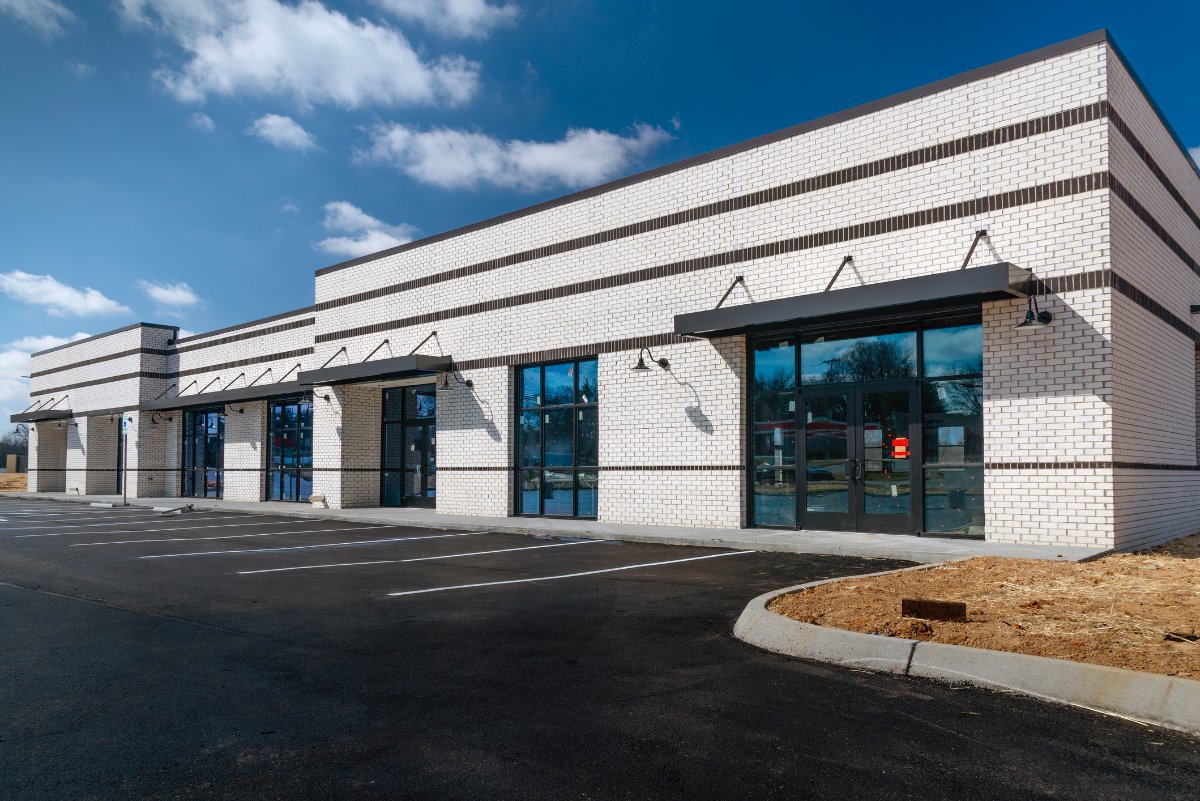
Send the property, the building type and the schedule. We review the scope, the approvals and the trade packages and explain how the project would be sequenced.