
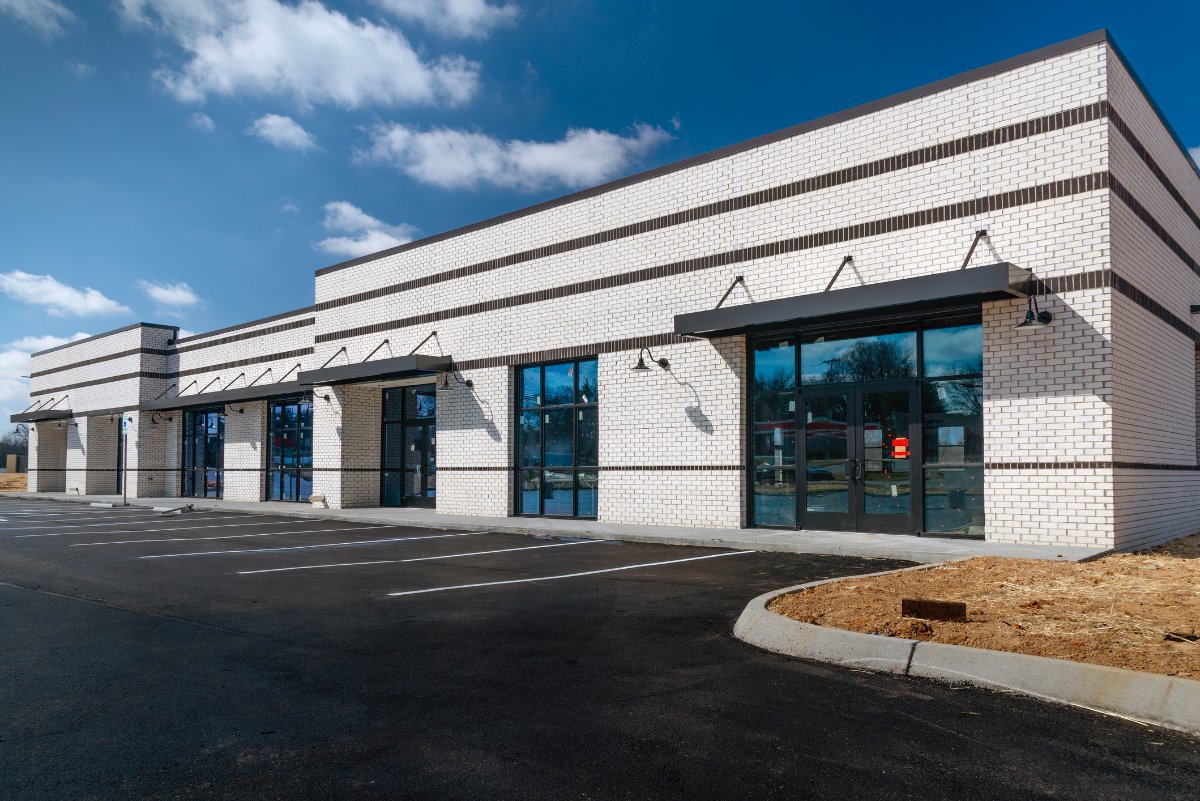
A town's water lines, street shops, fire stations and city offices are the buildings nobody notices until they fail, and Tecumseh owners ask us to plan them so they do not. We estimate, schedule and manage public works and city facility projects in Pottawatomie County, working with the city, the county and the funding agencies that pay for them.
Tecumseh gets its traffic from Highways 177 and 270, together with State Highway 9, all of which converge on the town in Pottawatomie County, and that makes it an easy place to reach for trucks, trade partners and the public. A railway line began serving the area in 1903, and the grade, crossings and old right-of-way still affect drainage and site access. For a public works yard or a utility building near the tracks, the starting point is a survey and a conversation with the railroad.
The town also knows what severe weather costs. An EF3 tornado came through town on May 10, 2010, and the memory shapes what residents expect from a public building: a safe room, a roof and walls that hold, and backup power for essential services. We carry that expectation into design reviews and cost estimates from the first meeting.
Tecumseh is a short drive from Shawnee and within reach of Norman, and we draw trades and suppliers from all three. A shorter haul reduces cost for concrete, steel and equipment, and it makes it easier to respond when a problem appears on site.
Staging matters on small public sites. A fire station or street shop may sit on a modest lot with little room for material, so we plan laydown areas, crane positions and concrete truck access in advance, and we ask neighbors to move vehicles when a pour is scheduled. A written staging plan saves hours every week.
The highway junction is useful, but it is also where traffic builds up. We schedule heavy deliveries away from school and commuting hours and agree on truck routes with the city before work begins.
County commissioners set aside about $240,000 for local business grants on May 5, 2026. Hometown Rock & Landscape, a Tecumseh company, received one to add a bagging line, a sealing system and delivery of small loads. Grants like this show that the county is supporting local businesses, and local business growth tends to produce demand for utilities, streets and public buildings.
A city that wants to prepare for that demand benefits from a facilities plan: which buildings are aging, which have capacity problems and which sites could serve more than one use. We help prepare that plan with budget ranges and a prioritized list of projects.
A public works building is mostly structure, slab and doors, so steel prices, concrete costs and site conditions matter most. Utilities, paving and drainage often cost as much as the building, particularly on a lot that has no existing service. We price each as a separate line so the council can see where the money goes.
Owner-furnished items deserve a line of their own. Radios, generators, bay doors, vehicle lifts and fuel systems are often purchased by the city under separate arrangements, and each needs a foundation, power or a connection that the building contract must provide. We list them with their delivery dates in the scope so they arrive when the trades are ready.
Storm-resistant design adds cost, and we show it separately. A hardened dispatch room, a safe room or a fire station with reinforced walls costs more than ordinary construction, and many owners decide it is worth it after weighing the risk.
Most city building projects involve utilities, grading and drainage. Our site development and utilities management coordinates excavation, water and sewer connections and paving, while stormwater and drainage design review keeps runoff from damaging neighbors.
We also manage municipal and government construction contracts, which follow their own forms, bonds and approval steps. Handling those along with the construction schedule saves the city clerk time.
We open with a scope review, confirm the funding source and its rules, and set a schedule that includes bid dates, council meetings and permit review. Then we divide the work into packages, invite qualified trade partners, and recommend an award with a comparison of the bids.
During construction we schedule, supervise and inspect the trades, report weekly to the city and keep a change order log with price and schedule impact. At closeout we collect warranties, manuals and as-built drawings so the city has what it needs for future maintenance.
Because of the area's tornado history, every Tecumseh site begins with a weather plan. We identify shelter locations for crews, secure loose materials when watches are issued and stop high work when winds rise. These are routine steps, but written plans make them reliable.
Heat is also part of the plan for summer work. Crews on roofs and slabs need water, shade and rest breaks, and we adjust start times so the hardest work happens in the early hours. Pours are scheduled with the weather in mind to protect concrete quality.
Public sites need extra care. We fence active work, separate trucks from walking routes and protect open trenches and excavations, particularly near streets and parks where residents may pass.
Our work for government and public sector clients includes cities, counties, rural water districts and authorities. We also work with education institutions that need maintenance buildings, athletic structures and storm shelters.
Small businesses and nonprofits are the other group, and for them a clear scope and a firm price matter even more. We give each client the same level of planning, regardless of project size.
Government and municipal buildings include city offices, fire and police stations, public works shops, community centers and libraries. Churches and recreation buildings share many of these features: large assembly rooms, kitchens, restrooms, and parking.
A community room that doubles as a storm shelter is a common request. We coordinate the structural design and inspections so the space qualifies, and we plan the daily use so the layout works when the room is not needed for shelter.
Tell us the facility, the funding source and the date it must be ready. We will return a scope review, a schedule and a budget range.
FAQ
Send the property, the building type and the schedule. We review the scope, the approvals and the trade packages and explain how the project would be sequenced.