
Bridges decide the schedule on a Sand Springs job before the weather does, so our delivery plans start with the state's lane-closure notices and end with a concrete truck at the gate. We build commercial, light-industrial, retail, office and civic projects on the west side of the Tulsa metro, and we build the haul plan with the same care as the foundation plan.
ODOT's Tulsa traffic advisory as of early November 2026 lists two bridge projects that touch Sand Springs directly. One is a US-412 bridge rehabilitation from Sand Springs to Tulsa, including Main Street in Sand Springs, with lanes narrowed through spring 2027. The other is a rehabilitation of the SH-97/Wilson Avenue bridge over the river, with northbound narrowed to one lane daily through January 2027, though both lanes are open weekdays from 6 to 9 a.m. Those windows and detours are working conditions we price into the plan, not surprises we discover in the field.
What follows covers how we schedule around those constraints, the land and data-center growth to the north, permitting, safety and the buyers we serve.
A ready-mix truck has a limited window between batching and placement, and a narrowed bridge can use half of it. For slab pours and tilt-panel days we study the traffic notices, choose a route that avoids the narrowest points and pour early in the day when the roads are lightest. If a lane closure removes the best route, we plan an alternate batch plant or a different delivery path instead of hoping for the best.
For heavy loads such as steel, precast and large equipment, we coordinate with carriers on timing and permits, and we avoid hours when the morning bridge window is open for commuters. Our phased construction for occupied sites experience helps when a business next door cannot close during the work, and our long-lead procurement tracking shows which orders threaten the date.
Wikipedia reports that US Route 412 and State Highway 51 are the major east-west routes through Sand Springs and State Highway 97 runs north-south. A site along any of them may require an ODOT access or right-of-way permit in addition to the city's building and site permits, and those state reviews follow their own calendar. We identify them at feasibility and list them as separate critical-path items.
Each project follows the codes the local authority adopts and enforces, so the edition tied to your application date matters. Oklahoma does not license general contractors, but trade licenses are required for electrical, mechanical, plumbing and roofing work, and we confirm them for every permit. We compare these steps with those in Tulsa, whose own code update is pending.
Wikipedia reports that on February 3, 2026 the Sand Springs city council approved Project Spring, a data center on 827 acres of annexed land about eight miles north of downtown, with construction planned to start in 2027 and finish by 2029. Plans of that kind can change, and we treat the announcement as an indicator, not a certainty. Still, it signals that large-scale utility and site work may be coming to the north side.
For other owners, that means competition for crews, equipment and electrical supply, and also an opportunity: roads, power and water improvements built for one large user can benefit neighboring parcels. We advise owners on timing, so they secure subcontractors and materials ahead of a rush and avoid paying premium prices. Our data center page explains the building type for readers who want that background.
On a large, remote parcel, closely supervised earthwork, utilities and concrete give us control over the first months of the job, when the schedule is most at risk. We schedule and supervise the topsoil stripping, pad, underground utilities and foundations, and we bring in specialty trades for the steel, envelope and building systems.
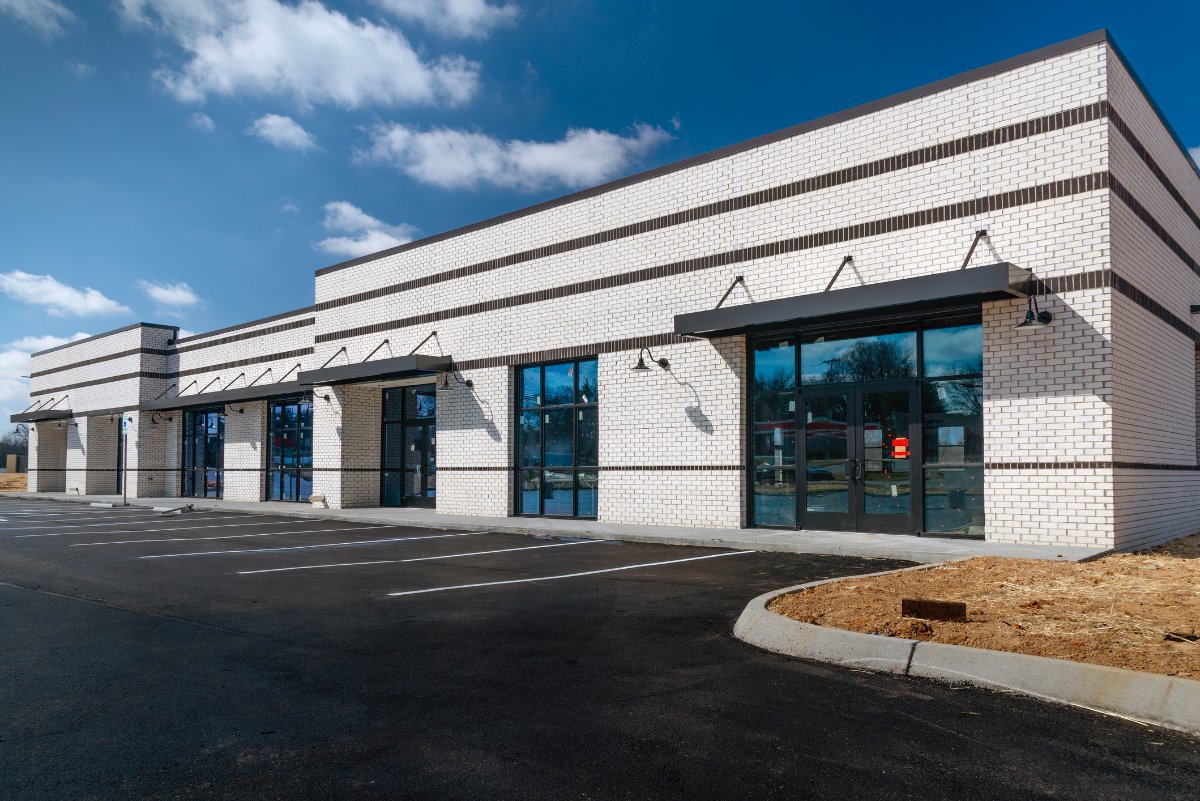
That approach works for modest projects too. A small retail center or an office building on Main Street benefits from the same control of sequence, and our superintendent stays on site through closeout. If a bridge closure forces a change in plan, the decision is made by the people actually running the work.
Wikipedia reports that an EF2 tornado struck Sand Springs on March 25, 2015, killing one resident, injuring 30 people and damaging 50 mobile homes. Owners and residents here know what a warning means. On our sites, the superintendent monitors alerts, crews know the shelter location, and loose materials are secured at the end of every day in spring.
For permanent buildings, we discuss shelter spaces, roof connections and protected openings during design, and we price options for owners who want a higher level of protection. On public-facing sites, we keep fencing tight, lighting good and pedestrian routes separated from trucks.
Our Sand Springs clients include property management firms that need renovations and tenant work, light-industrial users looking for shop and warehouse space, and local government. Developers with larger sites ask about utilities, access and the effect of the bridge work on their schedules, and we give them straight answers.
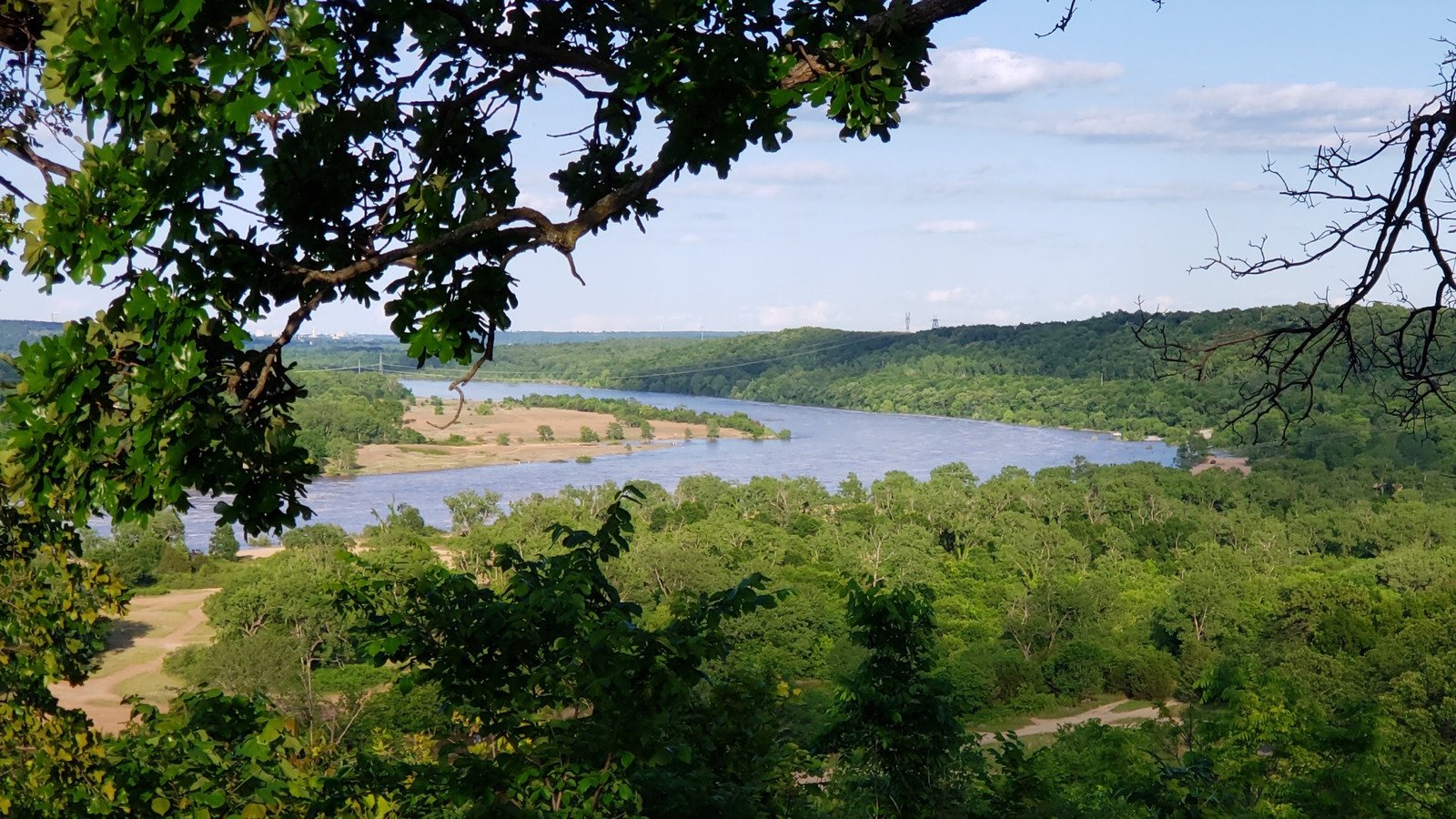
Because of the river and the hills, Sand Springs sites vary widely, from flat river-bottom lots to rolling parcels on the way north. We walk each one, check drainage and soils and share what we find before the owner spends money on design.
Tell us the site, the use and the date you need to open. We will review access, state permits and bridge schedules and send back a plan you can rely on.
FAQ
Send the property, the building type and the schedule. We review the scope, the approvals and the trade packages and explain how the project would be sequenced.