
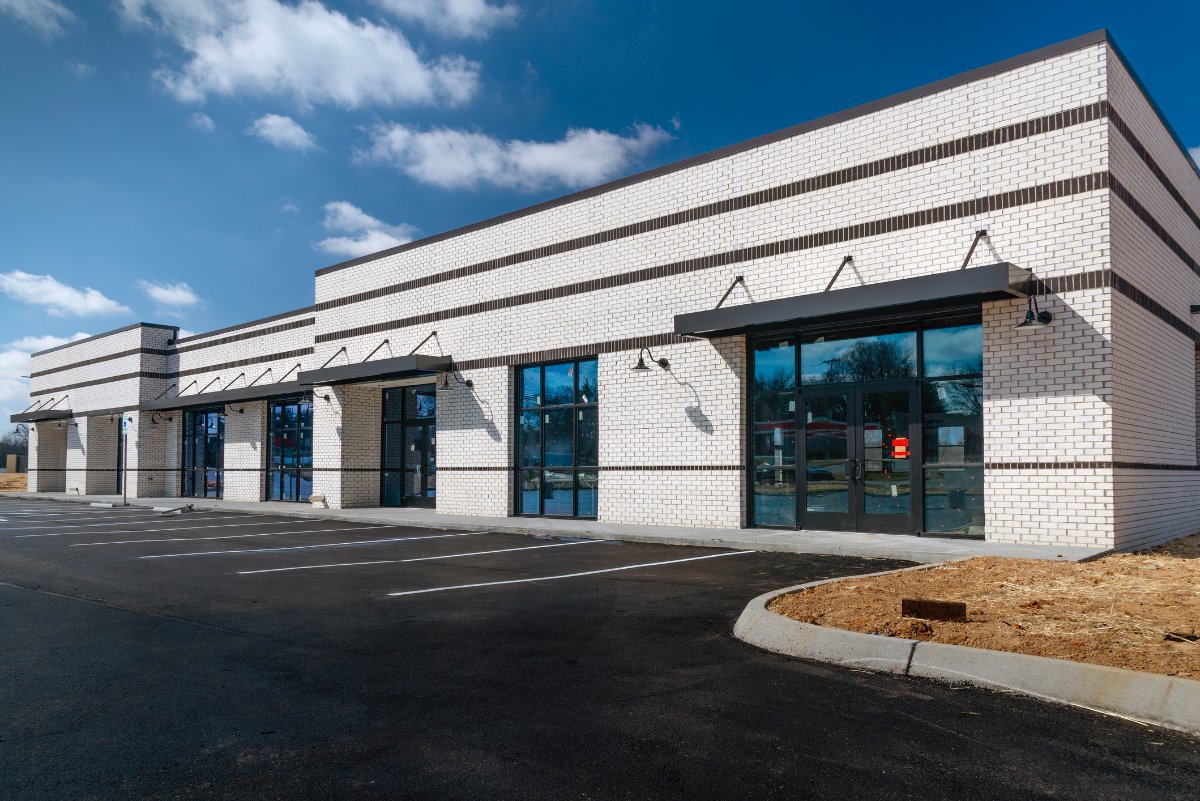
A school board or city council in Harrah is planning for a town that keeps growing on the east side of Oklahoma County, and our job is to give it buildings that open on time, hold up in storms and fit the budget voters approved. We estimate, schedule and manage school and municipal buildings: classrooms, gyms, shelters, city halls, police and fire facilities and the offices and shops that serve them.
Harrah's own numbers explain why capacity planning matters. Against about 250,000 gallons of daily water demand, the city can supply 928,000, and its sewage plant, rated at 995,000 gallons daily, operates near 40 percent of capacity. Room in the pipes means room for new homes, new students and new public buildings, so owners have a window to plan facilities before demand arrives.
Public owners also face a landscape of weather, funding votes and public meetings. We write our estimates and schedules so a board can follow them in an open session, and so a decision made in a regular meeting converts into a purchase order the next day.
The Oklahoma Turnpike Authority operates the Kickapoo Turnpike, a 19.6-mile route with interchanges near Harrah at East Reno Avenue and at U.S. 62 (NE 23rd Street), numbered Exit 136 and Exit 138. The southern section opened on January 5, 2021, and the new route improves access for commuters, delivery trucks and construction crews.
Better access tends to increase housing and school enrollment, and public buildings follow. A district planning an elementary school or a city planning a new station has to think about where growth is heading, not only where it is today, and we help owners test several sites against access and utility availability. The neighboring cities of Midwest City and Shawnee show how public building needs shift as a metro edge fills in, with schools and fire stations arriving after the first wave of homes.
We begin with the program: how many students, staff, vehicles or visitors the building must serve, and which spaces share functions. Then we build a budget in layers, with the structure and envelope separate from finishes, furniture and technology, which are often bought on different schedules.
During construction we schedule, supervise and inspect our concrete, steel, roofing, mechanical and electrical partners. The owner receives a weekly report, photos and a log of questions to the designer, and every change request includes price and time before it is approved.
A school has one season that matters: the day classes start. We build schedules backward from that date and identify the long-lead items, such as roof-top units, switchgear, gym flooring and casework, that need to be ordered early. Summer is the busiest window for school work, so we reserve trades well before it.
Procurement lead time is easy to underestimate. Switchgear, generators, elevators and fire apparatus doors can take many months to arrive, and a shop drawing review adds more. We keep a procurement log with release dates, approval status and expected delivery, and we review it with the owner each month so no surprises appear in the final quarter.
Municipal projects follow budget cycles and council agendas. We add dates for bid advertisement, award and notice to proceed, and we tell the board when a delay in one step will affect the opening.
School buildings need state education review in addition to the local permit, and storm shelters need design and inspection to the standard named by the designer. City buildings are reviewed by the local building official and the fire marshal, and any federal or state funding adds more forms.
We prepare complete submittals, track comments and keep a record of inspections and test results. For public work, we also manage bonding, insurance, prevailing wage and change order paperwork so the clerk's file is complete at closeout.
School work includes education facilities such as classrooms, gyms, cafeterias, storm shelters and bus barns. Municipal work includes government and municipal buildings: city halls, courts, police and fire stations, libraries and recreation centers.
Each type has its own priorities. A school must be easy to supervise and secure, a fire station needs apparatus bays and quick egress, and a city hall must handle public meetings and records. We learn the owner's daily routine before we finalize the layout.
Public projects often come with site and utility work: street connections, water and sewer service, drainage and parking. Our site development and utilities management lines these items up before the building starts.
Harrah's industrial park adds one more consideration. Along Reno Avenue, east of Highway 270, the city offers 155 acres of industrial land served by municipal water and sewer and by Oklahoma Gas and Electric. Municipal infrastructure near an industrial site has to carry trucks and loads, and we design paving and drainage with that in mind.
Our public-sector clients include education institutions and government and public sector owners. Both work under open meeting and procurement laws, and both want clear paper trails.
According to the city, Highway 270 has four lanes and ties into Interstate 40, which leads toward the metro airport, 28 miles off by way of Interstates 40 and 240. That access helps with supplier deliveries and keeps trade partners within an hour of the site.
Harrah lies in the Cross Timbers region and in Tornado Alley, and summer temperatures often exceed 100 degrees. Both facts shape how we work: we set up shelter plans for crews, secure materials when storms are forecast, and schedule heavy labor for cooler hours with water and rest breaks.
Near schools and city buildings, we also protect the public. A job next to an occupied campus in Del City or Harrah receives the same safeguards. Fencing, traffic control, covered walkways and separate routes for trucks keep construction away from students and visitors.
Tell us the building, the funding source and the date it must be in use. We will return a scope review, a schedule and a budget range suited to a public meeting.
FAQ
Send the property, the building type and the schedule. We review the scope, the approvals and the trade packages and explain how the project would be sequenced.