
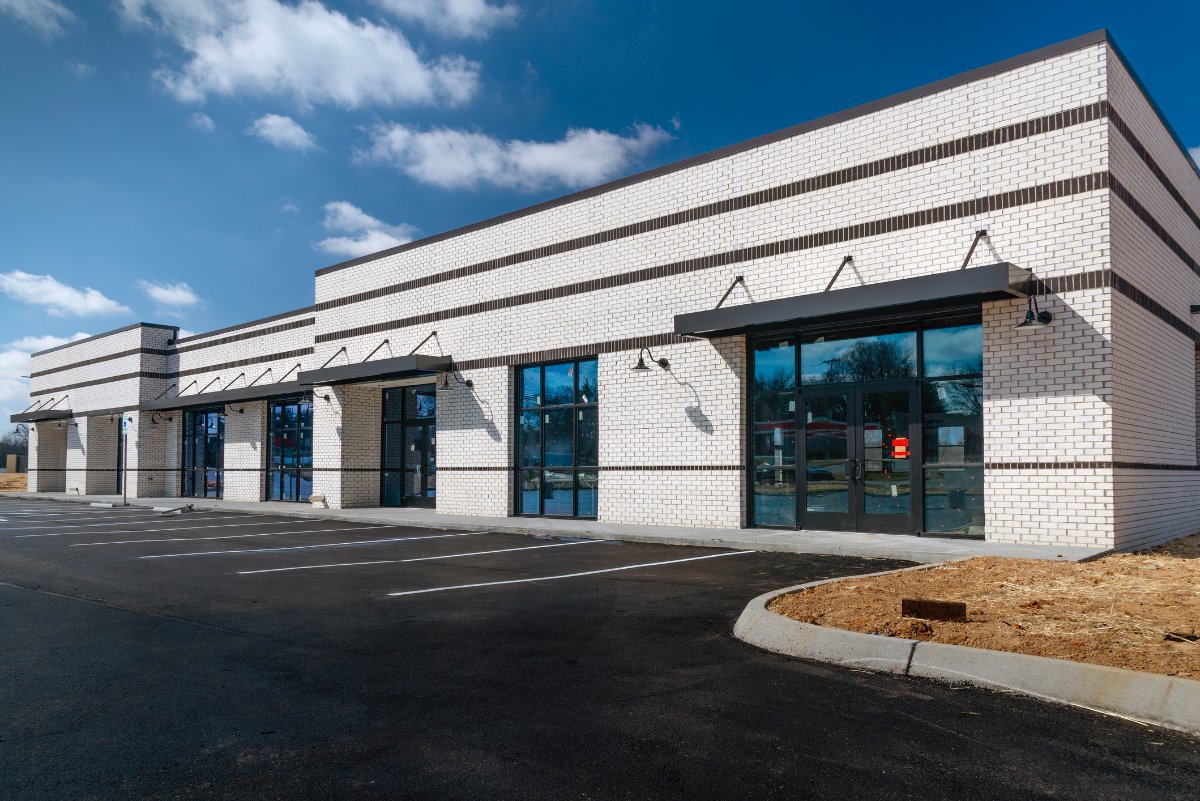
Public owners in The Village want buildings that pass inspection, stay inside the approved budget and open when the school year or fiscal year demands, and we build school and municipal projects with those three tests in mind. A classroom wing, a city office, a meeting hall or a maintenance building all come with a public record, a board that has to approve change orders and neighbors who watch the work from their yards.
The Village is a tight 2.56 square miles standing 1,191 feet above sea level, nearly enclaved by Oklahoma City, with Nichols Hills on one border. A small footprint means little room for staging, so we plan laydown areas, deliveries and parking on tight sites with care, often using phased deliveries so materials arrive the day they are installed instead of sitting on the lot. Where an adjoining parcel is available, we ask the owner about a temporary agreement for staging. Neighbors are close, and a school or city hall site is rarely more than a short walk from homes.
Private institutions also shape local construction. Casady School sits in the community, and the headquarters of Love's Travel Stops and Country Stores is located here, which gives the area a mix of education and corporate activity that we keep in mind when we advise owners on scale, parking and finish levels.
Public work begins with specifications. We read them closely, list the products that need approval before ordering and track every submittal. If a school board or city council must approve a change, we prepare the paperwork so the decision can be made at the next meeting.
The local building department reviews the permit, and we coordinate the design team's responses. For schools, the state fire marshal and the district's own standards may also apply, so we confirm each reviewer early. Close-out documents, warranties and as-built records are collected as the work proceeds, not at the end.
A public budget has limited room for surprises. We build estimates with clear allowances, a contingency the owner controls and a record of every assumption. When bids arrive, we compare them line by line and report differences in plain language.
On small sites, access and staging drive cost more than most owners expect. A tight lot can add crane time, hand work and trucking fees. We show those items separately so a board can understand why a project in The Village may cost more per square foot than a similar one in open country. Alternates help here: a covered walkway, a larger gym or a second meeting room can be priced as an add so the board decides with real numbers.
Many owners start with preconstruction estimating to test a program against funds, then move to construction management at risk when they want a guaranteed price and early trade input. For a straightforward project, municipal government construction or education facility construction may be all that is needed.
We also assist with commissioning and closeout so mechanical systems, fire alarms and controls are tested and documented before the owner takes the building.
We start by listening to the people who will use the building: teachers, clerks, maintenance staff and administrators. Their needs often reveal details that drawings miss, such as where carts roll, which doors stay open, and where a vehicle must turn. A cafeteria, a council chamber and a maintenance bay each ask for different finishes, and we match the specification to the real use rather than to the most expensive option.
From there we set a regular meeting rhythm, with agendas, minutes and a schedule update every week, plus a monthly cost report that shows committed dollars, pending changes and the balance of the contingency. Owners can reach us when a question arises, and we respond with options rather than problems. We schedule, coordinate, supervise and inspect each trade partner, and we are on site to see the work as it happens.
With the surrounding city on almost every side, projects often need coordination with both jurisdictions for utilities, traffic and permits. We find out early which entity controls each street and utility line, and we schedule inspections accordingly.
Owners weighing alternatives may also review Oklahoma City, Edmond and Del City, and we are glad to price the same building in each.
Our public work serves education institutions, including public districts and private schools, and government and public sector owners who need offices, meeting spaces and operations buildings.
Both groups have long approval cycles and strict reporting. We organize documents, billing and schedules so each report can be reviewed quickly.
Corporate growth nearby shows how large a single organization can become. Love's expanded its office space in November 2013 by acquiring a trio of buildings along Lake Hefner Parkway at N.W. 63rd, which came to 227,000 square feet. Owners in The Village who expect that kind of growth should plan parking, utilities and expansion room early, and we help set aside space for a future wing or addition.
With homes nearby, construction hours, noise and dust matter. We follow city rules on work hours and talk with neighbors when the schedule includes concrete pours, crane lifts or road closures. Truck routes avoid school pickup times and residential streets where possible.
When a project adds to an existing building, we phase the work so classes and public services continue. Barriers, separate entrances and temporary signs keep everyone oriented.
A site near children or the public needs more than a fence. We use locked gates, controlled deliveries, background checks where the owner requires them and clear rules for workers on campus. Equipment is parked away from play areas, and trenches are covered or barricaded at day's end.
Each trade partner submits a safety plan, and we review it before work begins. We keep records on site and share them with the owner on request.
Share the program, the site and the funding timeline. We will provide a preliminary scope, a budget range and a schedule your board or staff can review.
FAQ
Send the property, the building type and the schedule. We review the scope, the approvals and the trade packages and explain how the project would be sequenced.